Understanding Structural Steel Fabrication
What is Structural Steel Fabrication?
Structural steel fabrication is a critical process within the construction and manufacturing sectors. It involves the conversion of raw steel into predefined shapes and sizes tailored for specific applications. This process encompasses a range of procedures, including cutting, shaping, and assembling steel components to create structural elements necessary for buildings, bridges, and other infrastructures.
The importance of structural steel fabrication cannot be understated; it serves as the backbone of countless projects. The quality and precision of the fabricated steel directly influence the safety and durability of the final structure.
The Importance of Structural Steel Fabrication
Structural steel fabrication holds a prime position in modern construction. Its significance can be attributed to several factors: strength-to-weight ratio, design flexibility, and reusability. The high strength-to-weight ratio of steel allows for innovative designs that are not possible with other materials. Moreover, steel components can be prefabricated at a facility and easily transported to the site, which speeds up the construction process.
Additionally, steel is easily recyclable, making it a sustainable choice for modern architecture. As design trends evolve and environmental concerns rise, the role of structural steel fabrication in implementing eco-friendly practices becomes increasingly vital.
Common Applications of Structural Steel Fabrication
Structural steel fabrication is utilized across various industries and applications, including:
- Commercial Buildings: Steel frames are integral to skyscrapers and office blocks, providing not only strength but also aesthetic appeal.
- Bridges: A significant application of structural steel, where precise engineering ensures safety and performance over long spans.
- Industrial Facilities: Factories and warehouses often rely on steel fabrication for their frameworks, facilitating large open spaces and efficient layouts.
- Infrastructure: Roadways, railings, and supports all leverage fabricated steel for enhanced durability and longevity.
Key Techniques in Structural Steel Fabrication
Cutting Methodologies for Structural Steel Fabrication
Cutting is one of the first steps in structural steel fabrication, and it can be accomplished using various methodologies. Each method has its advantages, depending on the project's requirements.
1. Laser Cutting: Provides precise and clean cuts and is ideal for intricate designs. Laser cutting minimizes material waste, making it both efficient and cost-effective.
2. Plasma Cutting: Utilizes high-velocity jets of ionized gas to cut through steel. This method is advantageous for thicker materials and offers significant speed.
3. Band Saw Cutting: A traditional method that uses a continuous band blade. It is suitable for making straight cuts and is commonly employed for larger pieces of steel.
Welding Techniques: Ensuring Structural Integrity
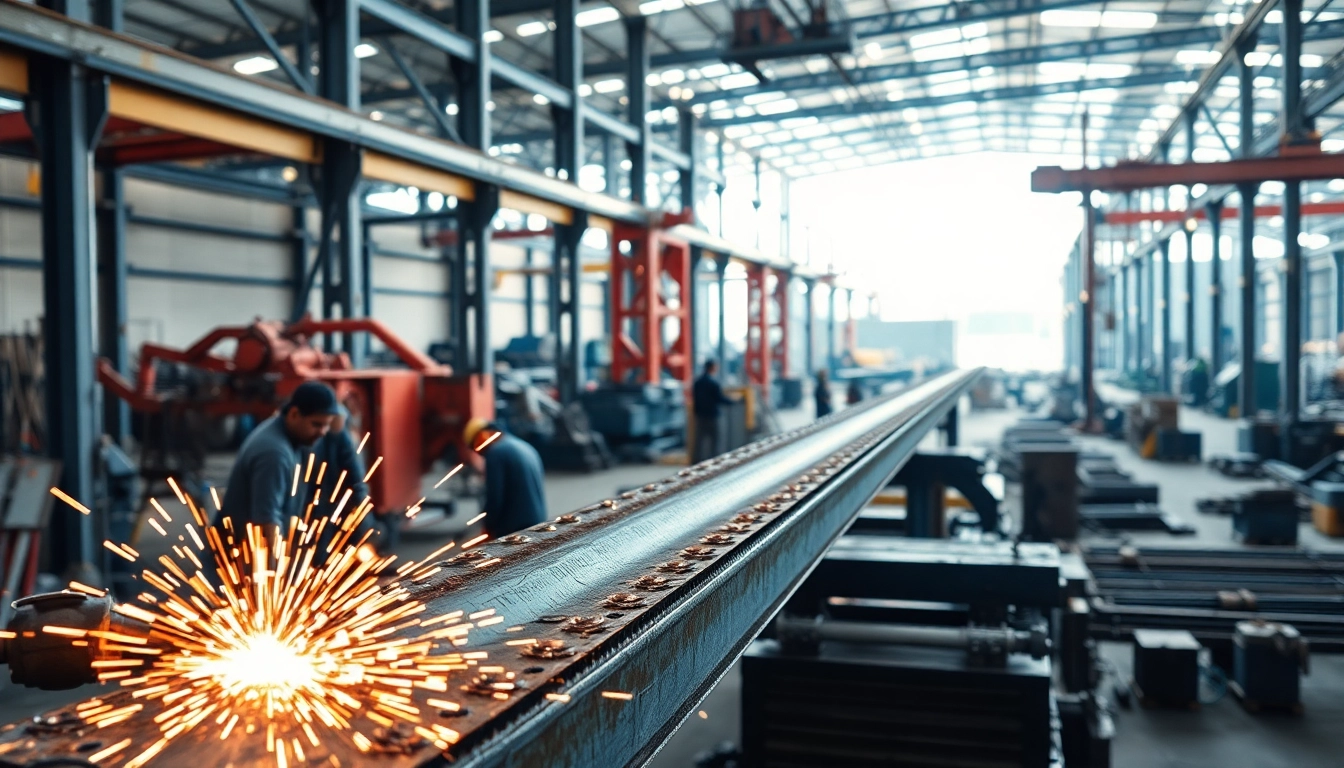
Welding is essential in the assembly of fabricated steel structures, ensuring that connections can withstand various loads and stresses. Common welding techniques include:
- MIG Welding: Metal Inert Gas welding is favored for its versatility and speed, often used for thinner steel plates.
- TIG Welding: Tungsten Inert Gas welding provides greater control, making it suitable for thinner materials where precision is crucial.
- Stick Welding: Shielded Metal Arc Welding is a robust method that is effective in outdoor conditions, making it a popular choice in construction sites.
Surface Preparation Methods in Structural Steel Fabrication
Before painting or coating, surface preparation is vital to enhance the adhesion and longevity of protective layers. Proper surface preparation prevents corrosion and increases the lifespan of the structure. Common methods include:
- Sandblasting: Removes rust and contaminants by propelling abrasive materials against the surface.
- Chemical Cleaning: Uses solvents or acids to strip away impurities and ensure a smooth surface.
- Grinding: Involves using mechanical tools to smooth out the surface and eliminate irregularities.
Best Practices for Structural Steel Fabrication
Quality Control Measures
Implementing stringent quality control measures is essential to ensure that fabricated steel meets predetermined specifications and standards. This can include:
- Standard Operating Procedures (SOPs): Establishing clear guidelines for all fabrication processes helps reduce variability and maintain quality.
- Regular Inspections: Routine checks of materials and processes help identify potential issues before they escalate.
- Documentation: Maintaining robust records of materials, processes, and inspections assists in quality assurance and compliance with industry standards.
Safety Protocols in the Fabrication Process
Safety in structural steel fabrication is paramount, given the inherent risks associated with working with heavy materials and machinery. Key protocols include:
- Personal Protective Equipment (PPE): Ensuring that all workers wear appropriate gear, including helmets, gloves, and eye protection.
- Training Programs: Regular training on safe practices, equipment handling, and emergency procedures for all employees.
- Safety Audits: Frequent assessments of the workplace to identify hazards and implement corrective actions.
Efficient Workflow Management in Fabrication Shops
Managing workflow within fabrication shops is critical for productivity and efficiency. Strategies that can be implemented include:
- Lean Manufacturing: This methodology focuses on minimizing waste without compromising productivity.
- Just-in-Time Production: Ensures that materials are produced only as needed, reducing inventory costs and maximizing space efficiency.
- Training for Multipurpose Skills: Encourage workers to acquire multiple skills, allowing for flexibility when reallocating workforce during busy periods.
Challenges in Structural Steel Fabrication
Addressing Material Sourcing Issues
Material sourcing has become increasingly challenging, influenced by market fluctuations, availability, and quality standards. Strategies to mitigate these issues include:
- Building Strong Supplier Relationships: Establishing partnerships with reliable suppliers ensures consistent quality and availability of materials.
- Diversifying Sources: Relying on multiple suppliers reduces risk by providing alternatives in case of shortages.
- Utilizing Technology: Employing software to track inventory levels and automate ordering processes helps prevent delays due to material shortages.
Overcoming Labor Shortages in the Industry
The fabrication industry faces ongoing labor shortages, making it difficult to find skilled workers. To address this, companies can:
- Invest in Apprenticeships: Offering apprenticeship programs can attract young talent and build a skilled workforce.
- Enhance Working Conditions: Creating a supportive work environment helps retain existing employees and improve job satisfaction.
- Promote Training and Development: Providing ongoing education for current employees empowers them to advance their skills and careers.
Adapting to Technological Changes
Technology in the fabrication industry continues to evolve, necessitating adaptation to remain competitive. Companies must embrace:
- Advanced Software Solutions: Implementing design and project management software can streamline processes and improve accuracy.
- Modern Equipment: Investing in state-of-the-art machinery can enhance efficiency and precision in fabrication.
- Continuous Learning Initiatives: Cultivating a culture of learning helps staff stay current with emerging technologies and trends.
Future Trends in Structural Steel Fabrication
The Role of Automation and Robotics
The incorporation of automation and robotics in structural steel fabrication is poised to redefine how tasks are completed in manufacturing settings. Automation leads to:
- Increased Efficiency: Automated systems can perform repetitive tasks faster and with greater consistency than human labor.
- Reduced Labor Costs: While there is an upfront investment, the long-term savings from reduced labor needs can be significant.
- Enhanced Safety: Robots can perform high-risk tasks, minimizing workplace accidents while improving safety protocols.
Sustainable Practices in Steel Fabrication
As the construction industry moves toward sustainable practices, structural steel fabrication is adapting by implementing various eco-friendly measures:
- Recyclability: Steel is already recyclable, but enhancing processes to increase recycling rates can significantly reduce waste.
- Reduced Carbon Footprint: Using renewable energy in fabrication facilities and optimizing logistics reduces the overall environmental impact.
- Material Optimization: Employing design strategies that minimize material usage can enhance efficiency and sustainability.
Innovations Driving the Future of Structural Steel Fabrication
The future of structural steel fabrication will be shaped by ongoing innovations, including:
- 3D Printing: Allowing for rapid prototyping and complex geometries that were previously challenging to manufacture.
- Smart Manufacturing: Integrating IoT technology to monitor processes and equipment in real-time enhances efficiency and decision-making.
- Sustainable Material Development: Advancements in steel alloys can lead to performance-based materials that are lighter, stronger, and more sustainable.