
Understanding Sports Broadcasting
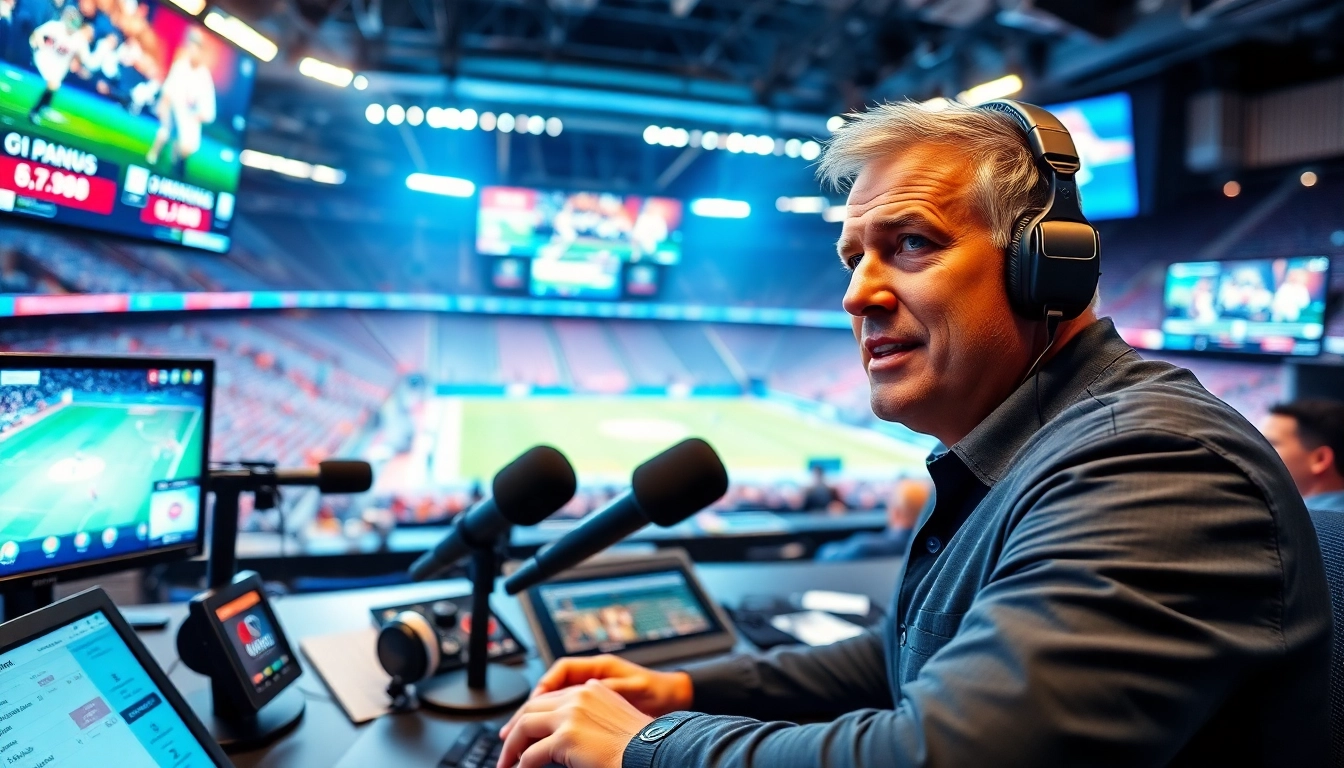
Sports broadcasting has evolved significantly over the decades, transforming the way fans engage with their favorite sports. Today, it serves as a dynamic platform that brings excitement and energy of live events directly into our homes and devices. This comprehensive exploration of Sports broadcasting will cover its historical development, roles, technologies, and future trends, providing readers with a deeper understanding of the industry.
The Evolution of Sports Broadcasting
Sports broadcasting began in the early 20th century with radio transmissions of local games. By the 1950s, television became the dominant medium. The broadcasting of sports events not only made sports more accessible but also revolutionized the fan experience. We saw the introduction of color broadcasts, instant replays, and diverse camera angles, which enhanced the viewing experience and engaged fans more interactively.
Key Roles in Sports Broadcasting
Within the realm of sports broadcasting, various roles are essential to delivering comprehensive, high-quality content. Key positions include:
- On-Air Talent: Commentators, analysts, and reporters present live commentary and analysis.
- Producers: They coordinate broadcasts, manage schedules, and oversee the technical aspects of production.
- Technical Crew: Camera operators, sound engineers, and graphics specialists work behind the scenes to ensure a smooth viewing experience.
The collaboration of these roles creates an engaging and informative experience for the audience, further propelling the growth of sports broadcasting.
Essential Technologies in Sports Broadcasting
Technological advancements have played a crucial role in the evolution of sports broadcasting. Key technologies include:
- Live Streaming: Advances now allow for real-time broadcasts over the internet, reaching global audiences.
- Mobile Broadcasting: Apps and platforms enable fans to catch games and highlights on-the-go.
- Drone Cameras: Aerial shots provide unique perspectives, enhancing viewer engagement.
- Augmented Reality (AR): Integrates digital elements with live video, enhancing information delivery.
These technologies continue to shape how sports are consumed, creating immersive experiences that keep fans engaged.
Basic Skills Required for Sports Broadcasting
To succeed in sports broadcasting, professionals need a diverse skill set that caters to the demands of the industry. Below are some of the essential skills required:
Communication and Presentation Skills
Effective communication is vital in sports broadcasting. Personnel must articulate their thoughts clearly, whether live on-air or through pre-recorded segments. Presentation skills are equally important as they affect how the information is received by the audience. Participation in public speaking and media training can enhance these skills.
Technical Proficiency in Broadcasting Tools
Understanding various broadcasting tools and technologies is essential. This includes familiarity with audio/video equipment, editing software, and live streaming technologies. Hands-on training and experience through internships or educational programs can provide the technical background necessary for success.
Research and Preparation for Broadcasting Events
Preparing for broadcasts involves extensive research. Understanding the teams, players, statistics, and context enriches live commentary and enhances credibility. Utilizing statistical databases, official team releases, and in-depth research ensures that broadcasters are well-prepared to cover events accurately.
Challenges Faced in Sports Broadcasting
While sports broadcasting can be exciting, it also comes with various challenges that professionals must navigate:
Adapting to Rapidly Changing Technologies
The fast-paced evolution of technology requires broadcasters to continuously adapt and learn. Keeping skills current with changing platforms and tools is essential. Regular training and workshops can help professionals stay ahead of the curve.
Managing Live Broadcasts Under Pressure
Live broadcasting involves operating under tight deadlines, requiring quick decision-making and problem-solving skills. Practicing live simulations can help teams navigate unexpected situations effectively, ensuring smooth broadcasts.
Staying Relevant in a Competitive Environment
The sports broadcasting field is highly competitive, with many vying for viewer attention. Establishing a unique on-air style, leveraging social media, and creating audience engagement strategies can set professionals apart.
Innovative Practices in Sports Broadcasting
Innovation is key to the future of sports broadcasting. Companies are developing new practices to better engage audiences:
Utilizing Social Media for Audience Engagement
Platforms like Twitter, Instagram, and Facebook allow broadcasters to connect with fans in real-time. Engaging with the audience through polls, live Q&As, and behind-the-scenes content enhances viewer loyalty and interaction.
Advanced Analytics in Sports Broadcasting
Analytics facilitate deeper insights into player performance and team strategies. Broadcasters can utilize advanced data to enrich commentary, providing viewers with context that enhances their understanding of the game.
Future Trends in Sports Broadcasting
The future of sports broadcasting looks promising as technologies continue to evolve. Trends such as virtual reality experiences, personalized content through AI, and interactive platforms will reshape how fans consume sports, drawing them closer into the action.
Navigating a Career in Sports Broadcasting
For those interested in pursuing a career in sports broadcasting, navigating the landscape can initially seem daunting. Here are some essential steps:
Getting Started: Entry-Level Opportunities
Entry-level positions are often found in local radio stations or smaller networks. Internships, volunteering, and freelance work are essential to gaining relevant experience and building a portfolio.
Building a Network in the Industry
Networking is crucial in the competitive landscape of sports broadcasting. Attending industry events, joining professional organizations, and engaging on social media can create valuable connections.
Continuing Education and Skill Development
The broadcasting landscape continually evolves, making ongoing education crucial. Courses in communication, new media technologies, and personal branding can equip aspiring broadcasters with the tools necessary for success.
Frequently Asked Questions
What is sports broadcasting?
Sports broadcasting refers to the live coverage of sports events via television, radio, or online platforms, enabling fans to watch or listen from anywhere.
What skills are needed for sports broadcasting?
Essential skills include strong communication, technical proficiency with broadcasting tools, and the ability to conduct thorough research on teams and events.
How has technology changed sports broadcasting?
Technology has introduced live streaming, social media engagement, and advanced analytics, reshaping how fans interact with sports content.
What are common challenges in sports broadcasting?
Challenges include adapting to technological changes, managing the pressure of live broadcasts, and staying relevant amid fierce competition.
How can I start a career in sports broadcasting?
Begin with entry-level positions, pursue internships, and actively network within the industry to build a foundation for your broadcasting career.