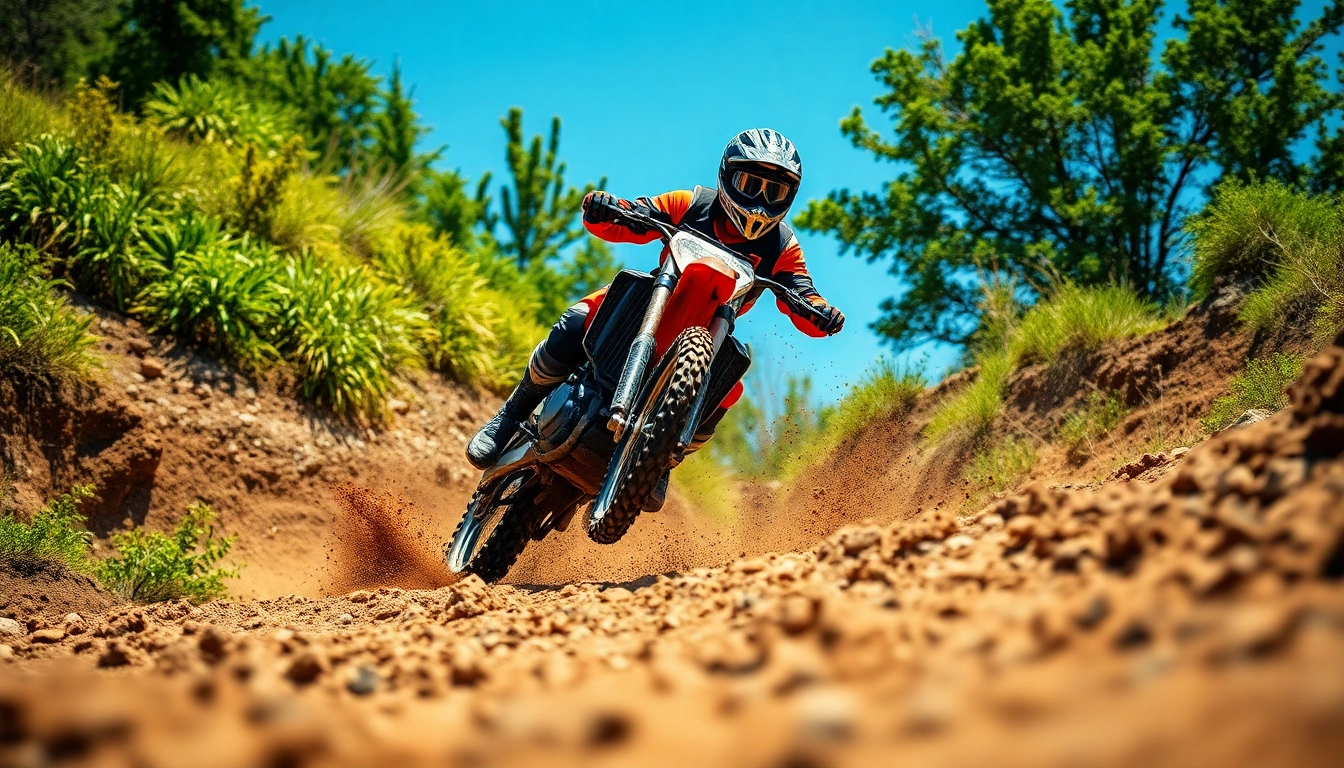
Understanding Motorcycle Types for Off-Roading
When it comes to off-road riding, enthusiasts often find themselves at a crossroads between two popular motorcycle types: crosser and enduro bikes. Each of these motorcycles is designed with specific features that cater to different riding styles and terrain conditions. Whether you are a novice looking to get started or an experienced rider seeking an upgrade, understanding the fundamental differences between these motorcycles is crucial. For detailed insights into a variety of topics related to motorcycles and off-roading, visit https://relevance.com.ua.
Differences between Crosser and Enduro Bikes
Crosser bikes are primarily designed for motocross racing. They feature lightweight frames, powerful two-stroke or four-stroke engines, and suspension systems that allow for high-speed racing over rough terrains. These motorcycles lack features that would make them suitable for long-distance rides or legal street use.
Enduro bikes, on the other hand, are more versatile. They are built to tackle a variety of terrains while also including features that allow for street legality. Enduro motorcycles typically possess larger fuel tanks, are equipped with stronger lighting systems, and have suspension setups that provide a more comfortable and stable ride over diverse conditions. While a crosser bike might excel in speed and agility on a dirt track, an enduro bike can traverse trails, muddy patches, and rocky paths with equal competence.
Key Features to Consider in Off-Road Motorcycles
- Suspension: Off-road motorcycles should have robust suspension systems meant to absorb shocks from uneven terrain. The travel distance should also be substantial for better performance.
- Weight: A lightweight frame can enhance maneuverability, allowing riders to navigate through obstacles with ease.
- Engine Power: The engine type and power dictate how a motorcycle performs on different terrains. Knowing if you need a two-stroke or four-stroke engine can significantly influence your choice.
- Ergonomics: A comfortable riding position not only enhances control but also prevents fatigue during long rides.
- Durability: Off-road motorcycles should be designed with robust materials that can withstand harsh environments.
Popular Models Reviewed: Crosser vs. Enduro
In the crosser category, bikes like the Yamaha YZ250F and the Honda CRF450R stand out for their high-performance specs tailored for motocross racing. These motorcycles are engineered for agility and speed but lack the comfort and utility features needed for extensive trails.
Conversely, the Honda CRF450L and the KTM 500 EXC-F are notable mentions in the enduro category. These bikes are designed not only for competition but also for riders who prefer long journeys over varied paths, making them more suited to enthusiasts seeking adventure beyond the racetrack.
Safety Gear Essentials for Off-Road Riding
Safety gear is imperative for off-road riders, as it can mean the difference between a minor injury and a serious accident. Investing in quality protective equipment reduces risks and enhances your overall riding experience.
Must-Have Protective Equipment for Riders
- Helmet: A high-quality helmet is non-negotiable. Look for one that meets safety standards, has good ventilation, and fits securely.
- Gloves: Gloves can protect your hands, improve grip, and enhance comfort while riding.
- Body Armor: Chest protectors or vests safeguard vital organs, while knee and elbow guards offer additional protection during falls.
- Boots: Sturdy, ankle-high boots designed specifically for off-road riding can provide protection from impact and the elements.
How Proper Gear Enhances Your Riding Experience
Wearing the right protective gear not only enhances safety during rides but also boosts confidence. Knowing that you are well-protected allows you to focus on the riding experience rather than worrying about potential injuries. Consider investing in gear that offers proper ventilation to maintain comfort during prolonged riding sessions.
Budgeting for Gear: Smart Shopping Tips
Investing in quality gear can seem daunting, but budgeting smartly can ease this burden. Start by researching various brands and reading user reviews to understand which gear provides the best value. Look for end-of-season sales or promotions that reputable retailers often offer. Another savvy tip is to purchase gear as a complete set, which can help you save more compared to buying items individually.
Techniques for Handling Different Terrain
To master off-road riding, knowledge of various terrains and the techniques required to navigate them is crucial. Different types of soil, rock, or water conditions demand unique handling techniques.
Riding Skills for Sand, Mud, and Rocks
In sandy conditions, the key is to maintain momentum. Keep your weight back to prevent the front wheel from digging in. For muddy terrain, wider tires can provide better traction, and it's important to steer smoothly to avoid skidding. With rocky surfaces, it’s best to stay relaxed; absorb shocks and remain light on the bike to navigate successfully.
Overcoming Common Off-Road Challenges
Every off-road rider faces challenges. One common scenario is losing balance on uneven surfaces. Practicing balance and control in a safe environment can help develop the reflexes needed to handle sudden shifts in weight. Furthermore, understanding your motorcycle's power delivery and gearing can enhance your ability to respond appropriately, especially in complex environments.
Expert Tips for Building Confidence in Off-Roading
Start with smaller, less challenging trails before working your way up to more demanding terrains. Consider joining a local riding club or taking a course where experienced riders can offer advice and encouragement. This structured approach not only builds confidence but also enhances skills in a supportive environment.
Preparing Your Motorcycle for Off-Road Adventures
Proper preparation of your motorcycle is essential for a successful off-road excursion. Before embarking on any adventure, conducting a thorough check can prevent mid-ride complications.
Essential Maintenance Checks Before Your Ride
Before hitting the trails, check engine oil levels and tire pressures to ensure optimal performance. Inspect the brakes and clutch for responsiveness, and ensure that the chain has the proper tension and lubrication. A quick inspection of lights and horn for function is also important, as you should be prepared for unforeseen circumstances.
Modifications for Enhanced Performance
Many riders choose to modify their off-road motorcycles to enhance performance. Upgrading the terrain-specific tires can improve traction and handling. Additionally, considering the adjustment of suspension settings can tailor the bike to better suit personal riding styles and preferences.
Understanding Fuel Efficiency in Rough Terrain
Fuel efficiency can greatly vary on off-road terrain as compared to paved roads. Riders should be conscious of how their riding style affects fuel consumption, as aggressive acceleration and frequent stops will drain the tank faster. Learning to manage speed and throttle effectively can help preserve fuel for longer rides.
Staying Connected: GPS and Navigation Tools for Riders
In the vastness of off-road trails, staying connected can improve safety and enhance the riding experience. Navigational tools have become indispensable for riders venturing into less explored regions.
Choosing the Right GPS Tools for Off-Roading
A good off-road GPS unit should be rugged, waterproof, and have an intuitive interface. Look for features like topographic maps that allow you to view elevation changes, which can be useful for planning your route.
Exploring Apps that Enhance Your Riding Experience
Today, numerous apps are available to assist off-road riders. These applications can help track routes, monitor performance, and even share trails with other riders. Familiarizing yourself with a few can greatly enhance your navigational skills and overall journey.
Tips for Navigating Unmarked Trails Safely
When exploring unmarked trails, always ride with a companion. It’s advisable to carry a portable charger for your devices and a physical map as a backup. Maintaining a steady pace and regularly checking your surroundings can prevent unexpected maneuvers and challenges.