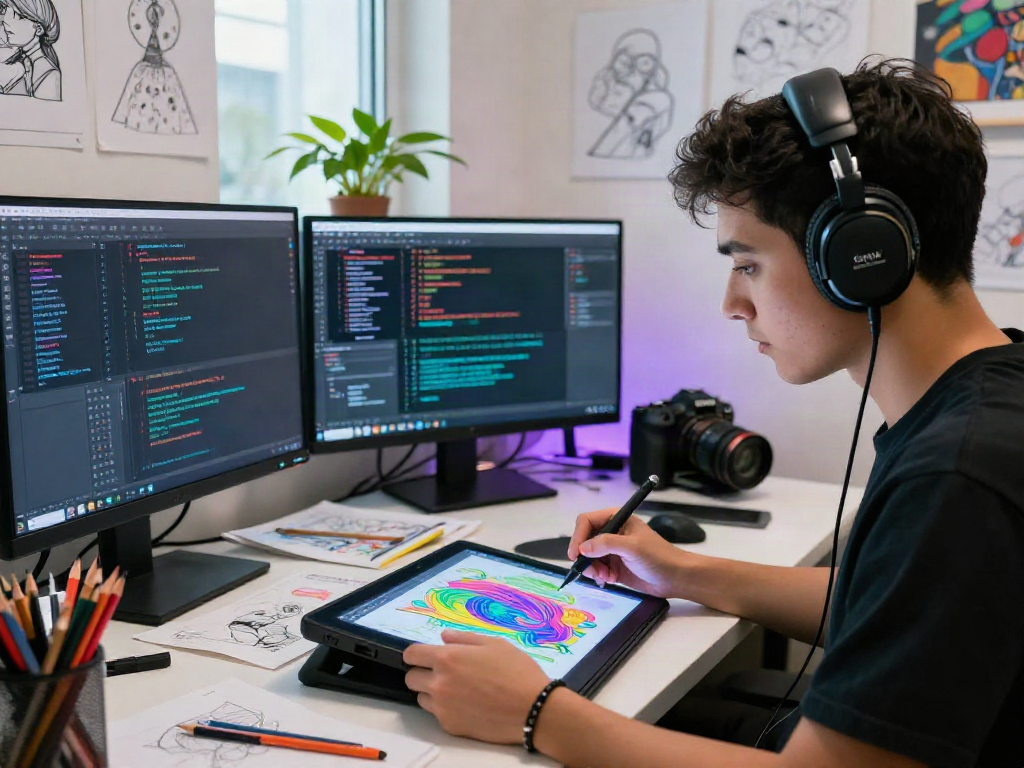
Understanding Video Production Basics
In today's digital age, video production is a critical element for creative expression and effective communication, whether for businesses or personal projects. This comprehensive guide delves into the fundamental aspects of video production, laying the groundwork for successful visual storytelling.
What is Video Production?
Video production encompasses the entire process of creating video content, which ranges from short clips to full-length movies. This process is akin to filmmaking, substituting traditional methods with modern digital technology. It involves multiple stages, each playing a crucial role in the final output, including planning, shooting, editing, and distributing the video content.
The Stages of Video Production
The video production process typically involves three main stages:
- Pre-production: This stage involves planning, scripting, and organizing all the necessary elements before filming begins.
- Production: This is where the actual shooting takes place, with careful attention to the technical details, performances, and direction.
- Post-production: In this phase, the video is edited, sound is mixed, and visual effects are added to create the final product.
Common Terminology in Video Production
A successful video production project relies on a shared vocabulary among all participants. Here are some common terms:
- Storyboard: Visual plan that outlines each scene in the video.
- B-Roll: Supplemental footage used to enrich the primary content.
- Cut: A transition from one scene to another, either abrupt or gradual.
Planning Your Video Production
Effective planning is the backbone of any successful video production. Taking the time to set clear objectives and create a detailed plan will ensure a smoother execution.
Setting Goals and Objectives
Before diving into the production process, it’s crucial to define your goals. Are you aiming to educate, entertain, or promote? Clear objectives will dictate the rest of your planning and help measure your success.
Creating Storyboards
Storyboarding is an invaluable tool that allows you to visualize your entire production. This graphical representation of your scenes helps organize your ideas and ensure that each segment aligns with your overall narrative.
Choosing the Right Equipment
The type of equipment you choose can significantly impact the quality of your video. Consider factors such as lighting, cameras, microphones, and editing software. Ensure that your equipment matches the requirements of your production type—whether it's a simple vlog or a professional documentary.
Executing the Production Process
With planning in place, the next step is to execute the production process efficiently. This stage is where theory transforms into reality.
Best Practices for Filming
To achieve high-quality footage, adhere to best practices in filming:
- Ensure good lighting: Natural light is often the best option, but use soft artificial lights when necessary.
- Test your sound equipment: Clear audio is crucial; perform sound checks before shooting.
- Use a tripod: Stability is key to professional-looking shots.
Working with Your Crew
Collaboration with a skilled crew can enhance your production’s quality. Clearly communicate your vision and expectations. Foster a supportive environment where creativity can flourish.
Handling Unexpected Challenges
Every production faces unforeseen challenges, such as equipment failure or adverse weather conditions. Maintain flexibility and always have a backup plan ready to address these potential issues effectively.
Post-Production Techniques
Once filming wraps up, the real magic happens in post-production, where the raw footage is transformed into a polished final product.
Editing Your Footage
The editing process requires specific software to cut and arrange your footage. Look for tools that offer robust functionalities such as transitions, effects, and color correction. Trim unnecessary scenes to improve flow and focus on key messages.
Sound Design and Mixing
Sound plays a crucial role in video production, often evoking emotions and building atmosphere. Mix background scores, voiceovers, and sound effects to create a cohesive audio experience that complements your visuals.
Color Grading and Visual Effects
Color grading adjusts the color tones and enhances the visual aesthetics of your video, creating a specific mood or style. Additionally, adding visual effects can elevate your project, though it should not overshadow the primary content.
Measuring Success and Engagement
Evaluating the performance of your completed video is essential for future projects. Understanding viewer engagement and feedback can guide your video production strategy moving forward.
Analyzing Video Performance
Utilize analytics tools to gather data about view counts, audience retention, and demographics. This information sheds light on how well your video performed against your initial goals.
Audience Feedback and Adjustments
Collecting viewer feedback through comments, ratings, and direct surveys will help pinpoint strengths and weaknesses in your production. Use this valuable insight to refine your approach in future projects.
Improving Future Video Production Projects
Building on what you learn from each project will enhance the quality and impact of your video production efforts. Experiment with new techniques, remain open to critique, and consistently strive for improvement.
Frequently Asked Questions
What is the first step in video production?
The first step is pre-production, where you plan your concepts, set goals, and create storyboards to outline what you'll shoot.
How long does the video production process take?
The duration can vary widely depending on the project's complexity, from a few days for simple videos to several months for bigger productions.
What equipment is essential for video production?
Key equipment includes a good camera, microphones for sound, lighting setups, and editing software to finalize your project.
Is post-production important in video production?
Yes, post-production is crucial as it shapes the final output, including editing, sound mixing, and visual effects to enhance quality.
How can I promote my finished video?
Share your video on social media, consider SEO techniques, and engage with your audience through comments and feedback to increase visibility.