Understanding Your Cleaning Needs
Choosing the right vacuum can significantly enhance your home cleaning experience. It's crucial to understand your specific cleaning needs before diving into the various types and features available. This section aims to guide you through assessing your home layout, identifying the types of surfaces you'll be cleaning, and recognizing any special cleaning requirements you may have.
Assessing Home Layout and Size
The first step in selecting an appropriate vacuum is to evaluate your home's layout. Consider the following aspects:
- Room Size: Larger homes typically necessitate more powerful vacuums or those with extended runtime capabilities for cleaning efficiency.
- Accessibility: If you have narrow hallways or multiple levels, a lightweight and maneuverable vacuum can make your cleaning easier.
- Storage Space: Depending on the space available, aspects like the vacuum's size and foldability will impact your choices.
Identifying Floor Types and Surfaces
Different floor types require different cleaning methods and equipment. Here’s how to categorize the key surfaces in your home:
- Carpets: Soft, plush surfaces can trap dust and dirt, needing vacuums equipped with beater brush heads to effectively loosen debris.
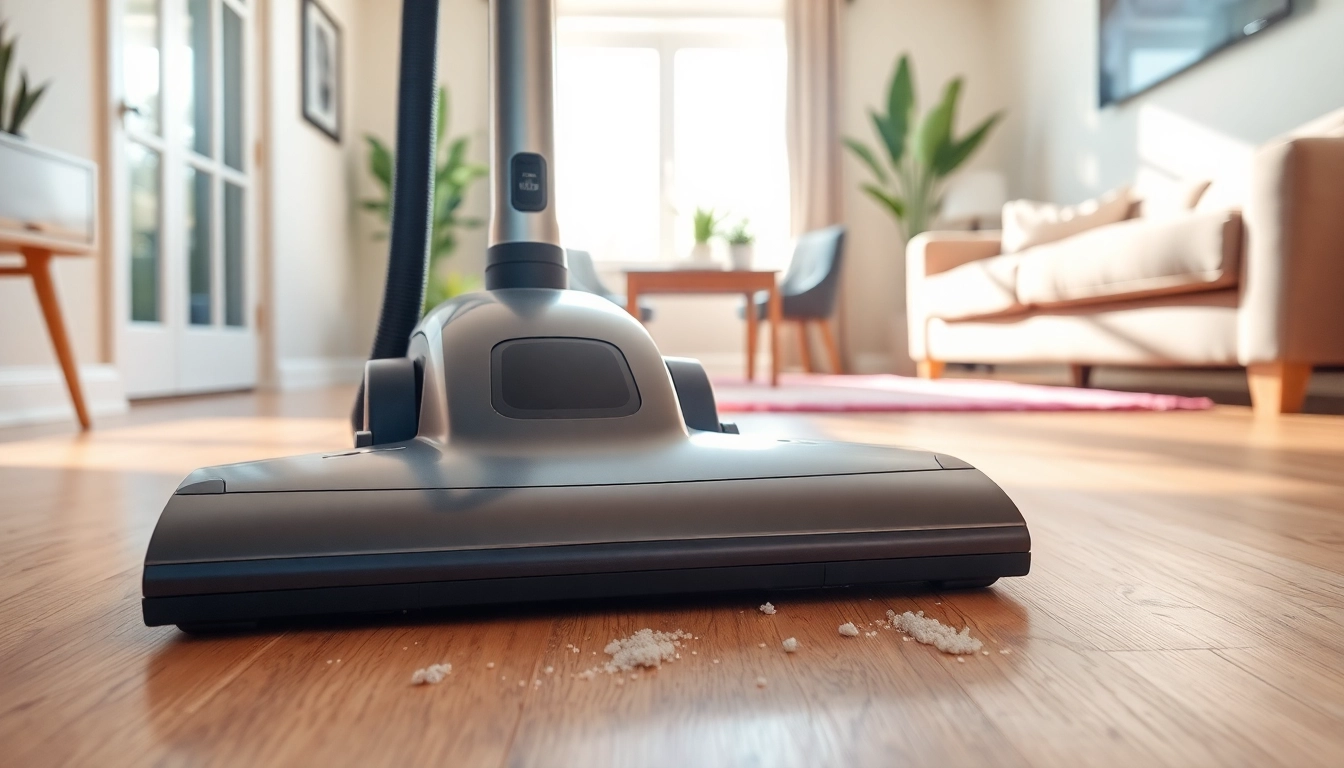
- Hardwood Floors: Low-profile models or vacuums with rubber wheels prevent scratches and have softer suction capabilities to avoid damaging surfaces.
- Tiles and Grout: For tile or other textured flooring, consider vacuums with specialized attachments designed to clean grout lines efficiently.
Recognizing Special Cleaning Requirements
Every household has its unique cleaning challenges. Think about:
- Pets: If you have furry friends, consider a vacuum with strong suction and specialized pet hair attachments.
- Allergies: For those with allergy concerns, vacuums with HEPA filters can trap allergens and improve air quality.
- Child-Friendly Features: If you have young children, safety features like auto shut-off are significant.
Exploring Vacuum Types
The market offers a variety of vacuum types, each with its own set of advantages and limitations. Understanding these distinctions is key to aligning your choices with your cleaning needs.
Bagged vs. Bagless Vacuum Options
When considering vacuums, one of the primary decisions is whether to choose a bagged or bagless model:
- Bagged Vacuums: These models collect dust and debris in disposable bags, often offering superior filtration. They tend to be more hygienic as you can easily dispose of waste without exposure.
- Bagless Vacuums: Featuring canisters for dust collection, these models are often more cost-effective long-term as no bags need to be purchased. However, they may require more frequent cleaning of the canister to maintain optimal performance.
Upright, Canister, and Stick Vacuums Explained
Understanding the various vacuum designs will further streamline your selection process:
- Upright Vacuums: Designed for powerful cleaning, especially on carpets, they often come with multiple height adjustments for different surfaces.
- Canister Vacuums: These provide versatility with hose and wand combinations for both floor types and furnishings, making them ideal for homes with varied surfaces.
- Stick Vacuums: Lightweight and easy to maneuver, stick vacuums are great for quick clean-ups and smaller spaces, often featuring rechargeable batteries.
Robot Vacuums and Their Functionality
Robot vacuums have gained popularity for their convenience. Here’s what makes them appealing:
- Hands-Free Cleaning: Perfect for busy households, robot vacuums work independently, allowing you to multitask.
- Smart Features: Modern models often come equipped with smart technology, enabling scheduling and control via smartphone apps.
- Efficiency in Smaller Spaces: They navigate efficiently in tight areas, ensuring thorough cleaning without physical effort.
Key Features to Consider
Once you identify the type of vacuum that suits your needs, turn your attention to key features that can enhance its performance and your cleaning experience.
Filtration Systems for Allergy Relief
A high-quality filtration system is essential, particularly for those who suffer from allergies or respiratory issues. Consider:
- HEPA Filters: Guaranteed to trap 99.97% of particles 0.3 microns or larger, HEPA filters help significantly reduce allergens.
- Washable Filters: Some models offer washable filters, which can provide a cost-effective solution and ensure consistent performance.
Power and Suction Capabilities of Vacuums
The vacuum's power and suction capabilities are critical to its efficacy. When assessing this feature, pay attention to:
- Wattage: Higher wattage often correlates with stronger suction power, useful for deep cleaning carpets.
- Adjustable Suction: Models with adjustable settings allow you to tailor power based on the surface being cleaned.
Attachments and Accessories for Versatility
Attachments can streamline your cleaning tasks. Look for vacuums that come with:
- Crevice Tools: Ideal for tighter spaces in-between furniture and baseboards.
- Dusting Brushes: Useful for delicate surfaces, blinds, and ceiling fans.
- Upholstery Tools: Designed for cleaning fabrics without damaging them.
Maintenance Tips for Your Vacuum
To prolong the life and performance of your vacuum, regular maintenance is essential. Implement these tips to keep your vacuum operating optimally.
Regular Cleaning and Filter Replacement
Cleaning your vacuum regularly helps prevent dust buildup. Key maintenance tasks include:
- Emptying the Dust Canister: For bagless models, ensure you empty the canister after each use to maintain suction power.
- Replacing Filters: Replace or clean filters according to the manufacturer’s recommendations to ensure effective dirt capture.
Checking and Unclogging the Hose
A clogged hose can drastically reduce your vacuum's efficiency. To prevent this:
- Inspect Regularly: Look for blockages in the hose and clear any debris promptly.
- Use a Long Object: A long, thin item such as a broom handle can help dislodge clogs that may be difficult to reach.
Storing Your Vacuum Properly
How you store your vacuum affects its longevity. Practices to consider include:
- Keep It Dry: Store in a dry place to prevent mold and damage from moisture.
- Wrap Cords Neatly: Properly storing the cord prevents tangling and damaging the internal wiring.
Maximizing Vacuum Performance
Knowing how to use your vacuum efficiently can optimize its performance. Applying best practices will yield better results and save significant time.
Best Practices for Efficient Vacuuming
When vacuuming, consider these practices for maximum efficiency:
- Vacuuming Technique: Always go slow, allowing the vacuum to pick up more deeply embedded dirt.
- Pattern Usage: Use an “S” pattern or straight-line method to ensure complete coverage of the area.
Timing Your Vacuum Sessions Right
Timing can influence the effectiveness of your cleaning sessions. Here are tips to consider:
- Choose Off-Peak Times: Vacuuming during quieter times of day minimizes distractions and interruptions.
- Post-Activity Cleaning: Vacuuming immediately after activities that cause a lot of dirt—like cooking or playing—will help in keeping surfaces clean.
Using Eco-Friendly Vacuuming Techniques
Eco-friendly practices in vacuum cleaning can help reduce energy consumption and environmental impact:
- Opt for Energy-Efficient Models: Look for vacuums that use less electricity while maintaining powerful suction.
- Minimize Emission: Regularly clean filters and components to encourage efficient air quality and functionality.