Introduction to Pallet Shrink Wrap Machine
In the world of packaging and logistics, the efficiency and protection of goods during transportation are paramount. A pallet shrink wrap machine has emerged as a crucial innovation that not only enhances the durability of packaged products but also streamlines the packing process. This comprehensive guide will delve into the intricacies of pallet shrink wrap machines, discussing their functionality, the variety of options available, and best practices to maximize their effectiveness in your operations.
What is a Pallet Shrink Wrap Machine?
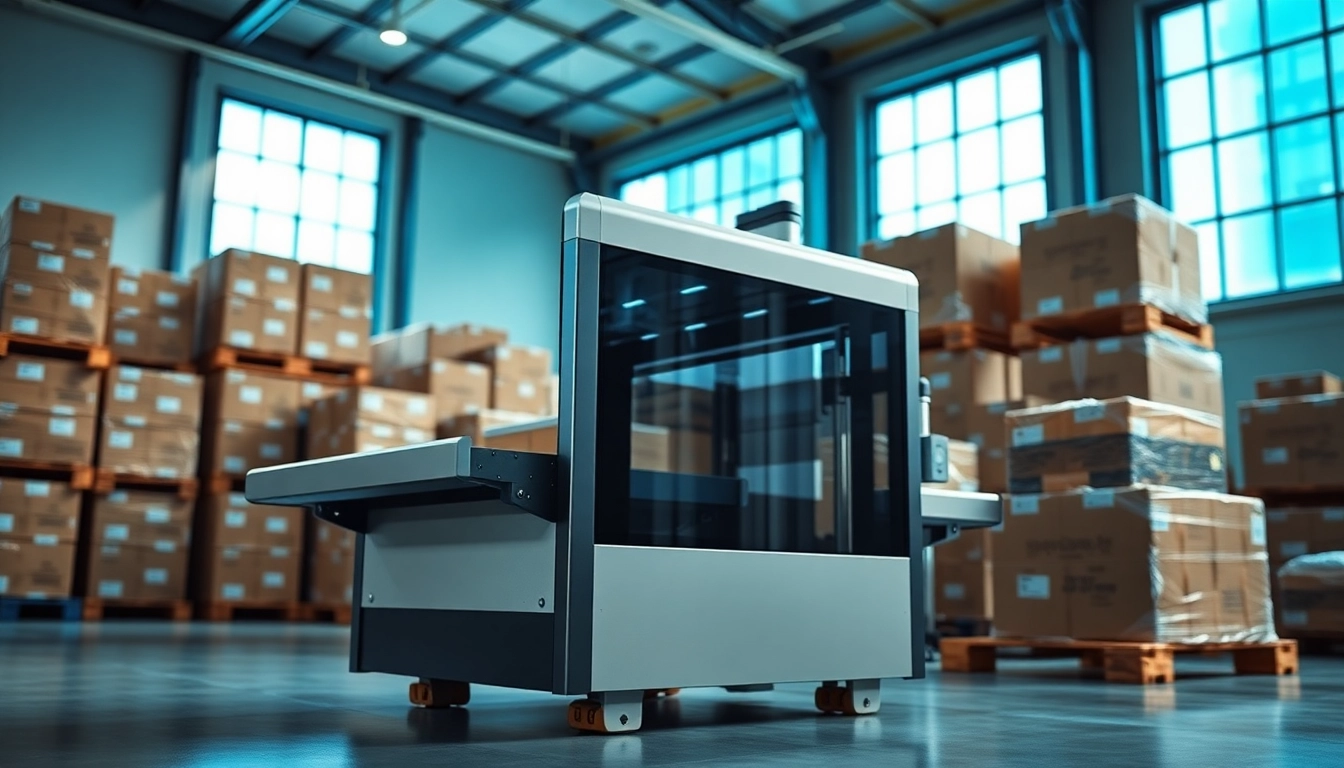
A pallet shrink wrap machine is designed to encase products stacked on pallets with shrink film. Through heat application, the film shrinks tightly around the load, ensuring secure packaging. This not only protects items from physical damage but also offers resistance against dust, moisture, and other environmental factors. Ideal for industries like manufacturing, food and beverage, and shipping, these machines cater to high-volume wrapping needs.
How Does a Pallet Shrink Wrap Machine Work?
The operation of a pallet shrink wrap machine involves several key steps. Initially, the palletized goods are placed on the machine's rotary table or conveyor. The machine then feeds shrink film around the products and seals the edges either through heat sealing or other methods. Subsequently, the pallet moves through a heat tunnel or chamber where hot air circulates to shrink the film tightly around the products. This process ensures snug packaging that holds items firmly together while maintaining item integrity.
Benefits of Using a Pallet Shrink Wrap Machine
The benefits of using a pallet shrink wrap machine are manifold:
- Enhanced Protection: Shrink wrap provides a barrier against dust, moisture, and contaminants, ensuring that products remain clean and intact.
- Increased Stability: The shrink-wrapped load is more stable and less prone to shifting during transport, reducing the risk of product damage.
- Efficiency: Automating the wrapping process significantly increases production speed compared to manual methods.
- Cost-Effectiveness: Reduced labor costs and potential product losses can lead to significant savings over time.
Types of Pallet Shrink Wrap Machine
Manual vs. Automatic Pallet Shrink Wrap Machine
Pallet shrink wrap machines primarily fall into two categories: manual and automatic. Manual machines require operator involvement in wrapping and sealing processes, offering lower initial costs, making them suitable for small businesses or low-volume operations. On the other hand, automatic machines handle the entire wrapping process with minimal human intervention. They are designed to keep up with higher production rates, providing consistent results and reducing labor costs over time.
Different Models of Pallet Shrink Wrap Machine
Within the categories of manual and automatic machines, several models cater to different needs:
- Semi-Automatic Pallet Shrink Wrap Machines: These models require some manual setup but automate the wrapping process. They offer a balance between cost and efficiency.
- Fully Automatic Pallet Shrink Wrap Machines: Designed for high-volume production, these models operate independently, wrapping multiple pallets with minimal supervision.
- Rotary Arm Machines: Ideal for irregularly shaped or oversized loads, these machines use a rotary arm to wrap products efficiently.
- Indexing Conveyor Machines: These facilitate continuous wrapping and are perfect for high-speed production environments.
Choosing the Right Pallet Shrink Wrap Machine for Your Needs
Selecting the right pallet shrink wrap machine depends on several factors:
- Volume of Production: Assess your current and anticipated production volumes to select a machine that can meet your throughput needs.
- Product Type: Consider the shapes and sizes of the products you will wrap to ensure compatibility.
- Space Constraints: Evaluate the available workspace in your facility; some machines may require more room for operation than others.
- Budget: Determine your budget, factoring in not just the purchase price but also ongoing operational costs.
Best Practices for Operating a Pallet Shrink Wrap Machine
Setting Up Your Pallet Shrink Wrap Machine
Proper setup of your pallet shrink wrap machine is crucial for successful operations. Ensure the machine is installed on a stable, level surface away from obstructions. Configure the conveyor height to match the pallet loading height to minimize strain during operation. Additionally, adjusting the machine settings, such as temperature and film tension, can significantly impact the quality of the shrink wrap.
Maintenance Tips for Your Pallet Shrink Wrap Machine
Regular maintenance is key to prolonging the life of your pallet shrink wrap machine:
- Daily Inspections: Perform visual checks to ensure all components are functioning properly and inspect for wear and tear.
- Lubrication: Follow the manufacturer’s guidelines for lubrication to keep moving parts operating smoothly.
- Cleanliness: Keep the machine and area clean to prevent dust and debris from affecting performance.
- Calibration: Regularly calibrate temperature settings to ensure the film shrinks properly every time.
Troubleshooting Common Issues
Despite best efforts, issues may arise with your pallet shrink wrap machine:
- Film Not Shrinking: This could be due to insufficient temperature. Check the settings and ensure the film type is compatible.
- Pallets Not Feeding Correctly: Misalignment or blockages could disrupt the feed. Inspect the conveyor system for debris.
- Unsealed Edges: If the edges are not sealing, check the sealing mechanism and adjust according to the manufacturer’s instructions.
Comparing Pallet Shrink Wrap Machine with Other Packaging Solutions
Pallet Shrink Wrap Machine vs. Stretch Wrapping
Pallet shrink wrap and stretch wrapping are both effective packaging methods, yet they serve different purposes. Shrink wrap provides a tightly sealed and more secure package, while stretch wrap is frequently used for securing loads and providing a level of protection. Choosing between the two often depends on the specific needs of the shipment, product type, and desired protection level.
Cost Analysis of Pallet Shrink Wrap Machine
When evaluating the cost of a pallet shrink wrap machine, consider both initial investment and operational costs. Initial costs can vary widely based on the machine's automation level and features. However, consider savings in labor and product loss, as these can often outweigh the initial expense over time. Conducting a break-even analysis could facilitate a more informed decision.
Product Protection and Shipping Efficiency
The ability of a pallet shrink wrap machine to enhance product protection cannot be overstated. By securely wrapping products, it minimizes the risk of damage during transit, which is crucial for maintaining customer satisfaction. Moreover, the efficiency of the wrapping process can significantly speed up shipping times, allowing businesses to enhance their logistics operations and keep pace with market demands.
FAQs about Pallet Shrink Wrap Machine
What materials are suitable for shrink wrapping?
Polyolefin and PVC films are commonly used for shrink wrapping due to their durability and ability to create tight seals without compromising product integrity.
How to adjust the temperature on a pallet shrink wrap machine?
Temperature adjustments are made through the machine's control panel, following the manufacturer's guidelines for the specific film type being used.
Can a pallet shrink wrap machine be used for items other than pallets?
Yes, these machines can wrap various items, including boxes and irregularly shaped products, by adjusting the settings appropriately.
What is the average lifespan of a pallet shrink wrap machine?
The lifespan can vary based on usage and maintenance but typically ranges from 7 to 15 years with proper care.
How do you determine the right size for a pallet shrink wrap machine?
Measuring the dimensions of the largest product to be wrapped and considering the maximum load size of the machine will help determine the necessary size.