
Understanding the Hollow Block Machine
What is a Hollow Block Machine?
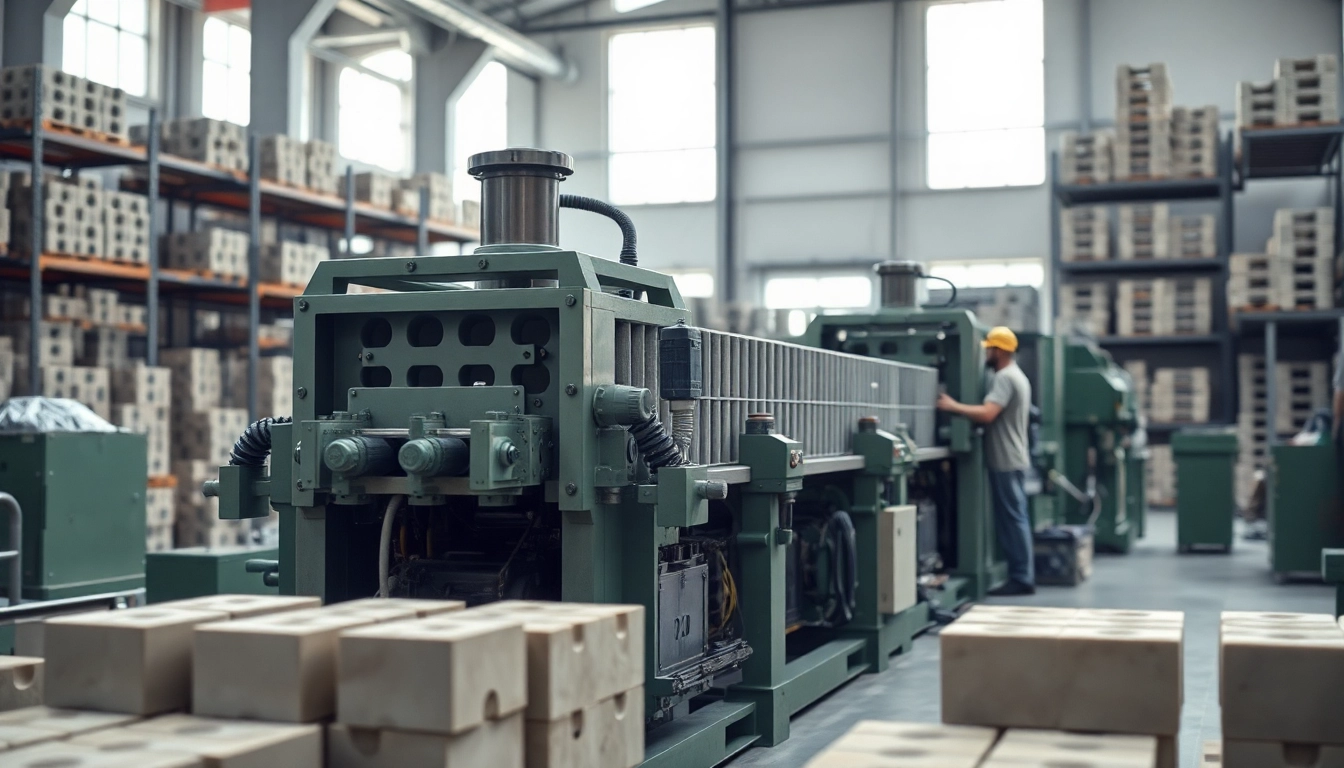
A Hollow Block Machine is an industrial machine specifically designed to produce concrete blocks with hollow cavities. These machines are widely used in construction for making hollow blocks which are lighter, provide thermal insulation, and are more cost-effective than solid concrete blocks. The ability to create uniform and durable products at a high speed makes hollow block machines essential in the construction sector.
Components of a Hollow Block Machine
The hollow block machine comprises several crucial components that work together to ensure effective operation. Key components include:
- Frame: The main structure that houses all the other components.
- Hydraulic System: Used to apply pressure to mold and shape the concrete into blocks.
- Moulds: Different moulds are fitted to produce blocks of various sizes and designs.
- Mixing Unit: Ensures that ingredients like cement, aggregates, and water are mixed properly.
- Conveyor System: Used for transporting materials to and from the machine.
Types of Hollow Block Machines
There are several types of hollow block machines available, catering to various production needs:
- Manual Hollow Block Machines: These require manual operation and are ideal for small-scale production.
- Semi-Automatic Hollow Block Machines: These machines require some manual effort but automate many processes, increasing production efficiency.
- Fully Automatic Hollow Block Machines: These are programmable and require minimal human intervention, making them suited for large-scale production.
Benefits of Using a Hollow Block Machine
Increased Production Efficiency
Utilizing a hollow block machine significantly increases production efficiency. These machines can produce hundreds, if not thousands, of blocks per day depending on their capacity. Advanced technology used in fully automated machines allows for quick production cycles, meaning less time spent on manual labor and more completed projects.
Cost-Effectiveness
Investing in a hollow block machine can lead to significant cost savings over time. With increased efficiency and the ability to utilize local materials, manufacturers can reduce production costs. In addition, hollow blocks themselves can be sold at competitive prices due to the reduced materials used in their construction.
Environmental Impact
Hollow block production is often more environmentally friendly than traditional methods. The design of hollow blocks uses fewer materials and can incorporate recycled materials, reducing waste. Furthermore, these blocks contribute to better thermal insulation in buildings, leading to lower energy consumption over the lifespan of the structure.
Choosing the Right Hollow Block Machine
Factors to Consider
When selecting a hollow block machine, several factors should be considered to ensure you choose the right model for your needs:
- Production Capacity: Determine the daily output required for your operations.
- Automation Level: Decide if you want a manual, semi-automatic, or fully automatic machine based on labor availability and budget.
- Space Requirements: Ensure you have adequate space to install and operate the machine effectively.
Manual vs. Automatic Machines
Choosing between manual and automatic hollow block machines depends on your production requirements and budget constraints. Manual machines are less expensive and suitable for smaller operations, while automatic machines offer higher efficiency and output, justifying their initial investment for larger businesses.
Capacity and Size Options
Hollow block machines come in different sizes and capacities. It’s important to assess your production volume and choose a machine that can handle your needs without being over- or under-spec’d. Smaller machines may suffice for local projects, while larger units can cater to significant construction tasks.
Operating a Hollow Block Machine Safely
Safety Guidelines
Operating any heavy machinery, including hollow block machines, requires strict adherence to safety protocols. Key guidelines include:
- Always wear appropriate personal protective equipment (PPE).
- Ensure that all safety guards are in place before operation.
- Follow machine operating instructions closely to avoid accidents.
Maintenance Tips
Regular maintenance is crucial for ensuring the longevity and efficiency of a hollow block machine. Consider implementing the following maintenance practices:
- Conduct daily inspections for any wear or damage.
- Lubricate moving parts regularly to reduce friction.
- Replace worn-out components promptly to avoid further damage.
Common Operational Issues
Operators might face various challenges when using a hollow block machine. Common issues include:
- Block Size Inconsistency: This can often be resolved by ensuring accurate mixing and proper calibration of the machine.
- Machine Jamming: Ensure that materials are fed into the machine appropriately and not overloaded.
- Poor Block Quality: Monitor the quality of raw materials and adjust the mix as needed.
FAQs About Hollow Block Machines
Is a Hollow Block Machine worth the investment?
Yes, investing in a hollow block machine can be financially beneficial, offering significant savings in material costs, labor, and time. The machines increase production efficiency and can generate high returns over time.
How much does a Hollow Block Machine cost?
The cost of a hollow block machine varies greatly based on its automation level, size, and capacity. Prices can range from a few thousand dollars for manual models to tens of thousands for fully automated units.
Can I use recycled materials in a Hollow Block Machine?
Yes, many hollow block machines are designed to incorporate recycled materials like crushed concrete or other industrial waste, enhancing sustainability and reducing costs.
What types of blocks can be made with a Hollow Block Machine?
A hollow block machine can produce various types of blocks, including hollow blocks, solid blocks, paving stones, and interlocking blocks, depending on the moulds used.
What maintenance is required for a Hollow Block Machine?
Regular maintenance includes daily inspections, cleaning, lubrication of moving parts, and checking for wear and tear on important components to ensure smooth operations.