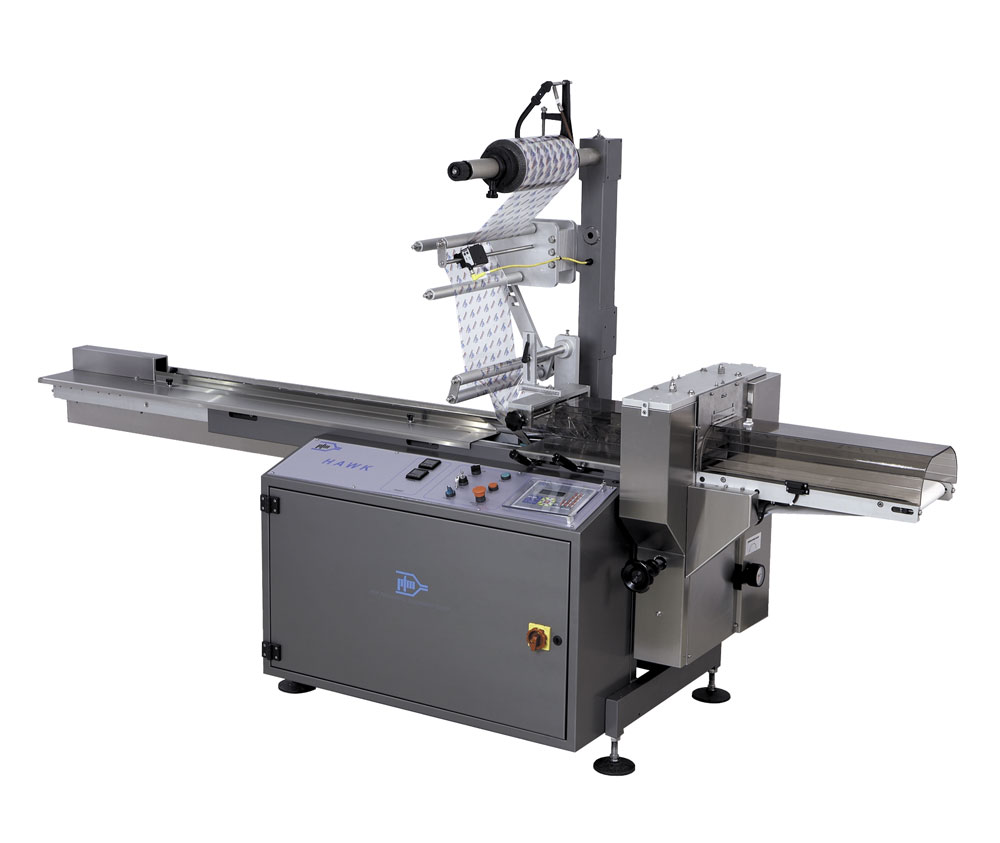
Understanding the Shrink Wrapper: Basics and Functionality
What is a Shrink Wrapper?
A shrink wrapper is a packaging machine that applies a layer of shrink film around a product. The film adheres tightly to the product when heat is applied, creating a secure and protective barrier. This type of wrapping is widely used for bundling products together or packaging items for shipment, ensuring they remain intact and shielded from external influences.
How Shrink Wrap Works
The process of shrink wrapping involves three main steps: wrapping, heating, and cooling. Initially, a product is placed on a tray or conveyor belt, and the shrink film is wrapped around it. Subsequently, the wrapped product moves into a heat tunnel where hot air is circulated, causing the film to contract tightly around the item. Once removed from the heat source, the film cools, setting the wrap in place and providing a snug fit.
Benefits of Using a Shrink Wrapper
One of the primary advantages of using a shrink wrapper is its ability to provide a tamper-evident seal. This deters theft and reduces contamination risks. Additionally, shrink wrapping can extend the shelf life of perishable products by preventing moisture exposure. It also enhances product presentation, making it more visually appealing while allowing for branding and information to be displayed on the exterior of the film. Furthermore, the shrink wrapper process is efficient and can work at high speeds, optimizing production line performance.
Key Components of a Shrink Wrapper System
Main Parts of a Shrink Wrapper
A shrink wrapper consists of several essential components. The film dispenser supplies the shrink film, while the sealing mechanism creates a bond at the edges of the film around the product. The heat source, typically a heat tunnel, is crucial for initiating the shrink process. Lastly, a conveyor system facilitates the movement of products through the wrapping and sealing stages, significantly enhancing workflow.
Choosing the Right Materials
Selecting the appropriate shrink film material is vital for effective wrapping. Common materials include polyethylene (PE), polyolefin (POF), and PVC, each offering distinct properties. For example, polyethylene is economical and robust, ideal for bundling, while polyolefin provides a clearer finish and is often preferred for retail packaging. The chosen material should align with product requirements, such as visibility, durability, and resistance to environmental conditions.
Maintenance Tips for Longevity
To ensure optimal performance and longevity of a shrink wrapper, regular maintenance is essential. This includes routine cleaning of the sealing surfaces to prevent adhesive build-up, checking the calibration of heat settings, and inspecting the conveyor system for wear and tear. Additionally, maintaining a consistent supply of shrink film and ensuring it is stored correctly can prevent production delays and equipment malfunctions.
Common Applications of Shrink Wrappers
Industries That Benefit from Shrink Wrapping
Shrink wrapping is prevalent across various industries, including food and beverages, pharmaceuticals, cosmetics, and consumer goods. In the food industry, shrink wrap plays a crucial role in protecting products from spoilage and contamination. Similarly, it serves as an effective solution for bundling multiple items in retail environments, reducing waste, and streamlining storage and display.
Examples of Products Ideal for Shrink Wrap
Many products are ideally suited for shrink wrapping, including bottled beverages, boxes of cookies, and packages of hygiene products. Any item that requires protection from moisture, dust, or physical damage can benefit from shrink wrap. Furthermore, multiple smaller products can be grouped together using shrink wrapping, enhancing packaging efficiency and presentation.
Case Studies on Successful Implementation
Consider a case in the beverage industry, where a manufacturer implemented a shrink wrapper to package multi-packs of soft drinks. By transitioning to shrink wrapping, the company reduced packaging costs by 15%, improved product visibility on shelves, and increased sales through enhanced consumer appeal. Similarly, a cosmetics company used shrink wrap to bundle products for promotional kits, resulting in a 25% increase in sales during their marketing campaign.
Best Practices for Efficient Shrink Wrapping
Optimizing Machine Settings
Properly setting up the shrink wrapper is critical for efficiency and effectiveness. Operators should calibrate the machine according to the type and size of the product being wrapped, adjusting temperature and speed settings accordingly. Conducting trial runs can help fine-tune the settings for perfection, ensuring each package is sealed correctly and maintains its quality.
Quality Control Measures
Implementing quality control checks throughout the shrink wrapping process can significantly enhance final product integrity. Operators should routinely inspect packaged items for signs of poor sealing, such as loose edges or incomplete shrinkage, and address any issues immediately. Additionally, documenting these checks can identify trends over time, facilitating continuous operational improvements.
Training Staff for Best Outcomes
Investing time in training staff on best practices can yield significant improvements in shrink wrapping effectiveness. This training should include operating procedures, maintenance checks, and troubleshooting common issues. Skilled operators contribute to consistent performance, reducing downtime and ensuring quality output across the production line.
Future Trends in Shrink Wrapping Technology
Innovations Enhancing Efficiency
The shrink wrapping industry is continuously evolving, with innovations focusing on enhancing efficiency and sustainability. Automated shrink wrappers with advanced sensors and IoT capabilities are becoming more common, allowing for real-time monitoring and adjustments during packaging operations. These advancements can significantly reduce machine downtimes and increase throughput.
Environmental Considerations in Shrink Wrapping
As sustainability becomes a pressing concern, the shrink wrapping industry is also adapting. The introduction of biodegradable shrink films and recyclable materials reflects a growing commitment to reducing plastic waste. Furthermore, manufacturers are re-evaluating their supply chains to minimize their carbon footprint, striving for more sustainable production processes.
Predictions for Industry Developments
Looking ahead, it is anticipated that advancements in technology, particularly in automation and material science, will redefine shrink wrapping practices. Innovations aimed at reducing energy consumption during the shrink process may emerge, alongside enhanced barriers in materials that further extend product shelf life. These trends point to a shift towards a more efficient and environmentally responsible future in shrink packaging.
Frequently Asked Questions
1. What types of products are best suited for shrink wrapping?
Ideal products for shrink wrapping include food items, beverages, cosmetics, and goods that require protection against dust or damage. Bundling smaller items can also enhance presentation and convenience.
2. How do I maintain my shrink wrapping machine?
Regular maintenance includes cleaning sealing areas, checking heating calibrations, and inspecting conveyors for wear. Keeping a consistent supply of quality films is also essential for performance.
3. Can shrink wrap be recycled?
Many shrink films can be recycled, but recycling availability often depends on local facilities. Seek out information on local recycling programs and what types of films they accept.
4. What is the difference between PE and POF shrink films?
PE (Polyethylene) is thicker and less expensive, suitable for general bundling. POF (Polyolefin) is thinner, clearer, and more suited for high-end retail packaging, offering better presentations.
5. How can I optimize the packaging process with a shrink wrapper?
Optimizing the process involves adjusting machine settings for product size, conducting quality checks, and training staff to operate efficiently, ensuring consistent, quality packaging.