Introduction to the MV88 Microphone
The world of audio recording is evolving rapidly, and with it, the tools we use to capture sound quality are improving dramatically. One of the standout products in this domain is the MV88 microphone. Designed to provide professional-level audio capture while maintaining portability, the MV88 has garnered attention from musicians, podcasters, and content creators alike. In this article, we’ll delve deep into what makes the MV88 unique, provide a comprehensive installation guide, explore different usage environments, compare it to its competitors, and ultimately, illustrate its impact on audio quality.
What Makes the MV88 Unique?
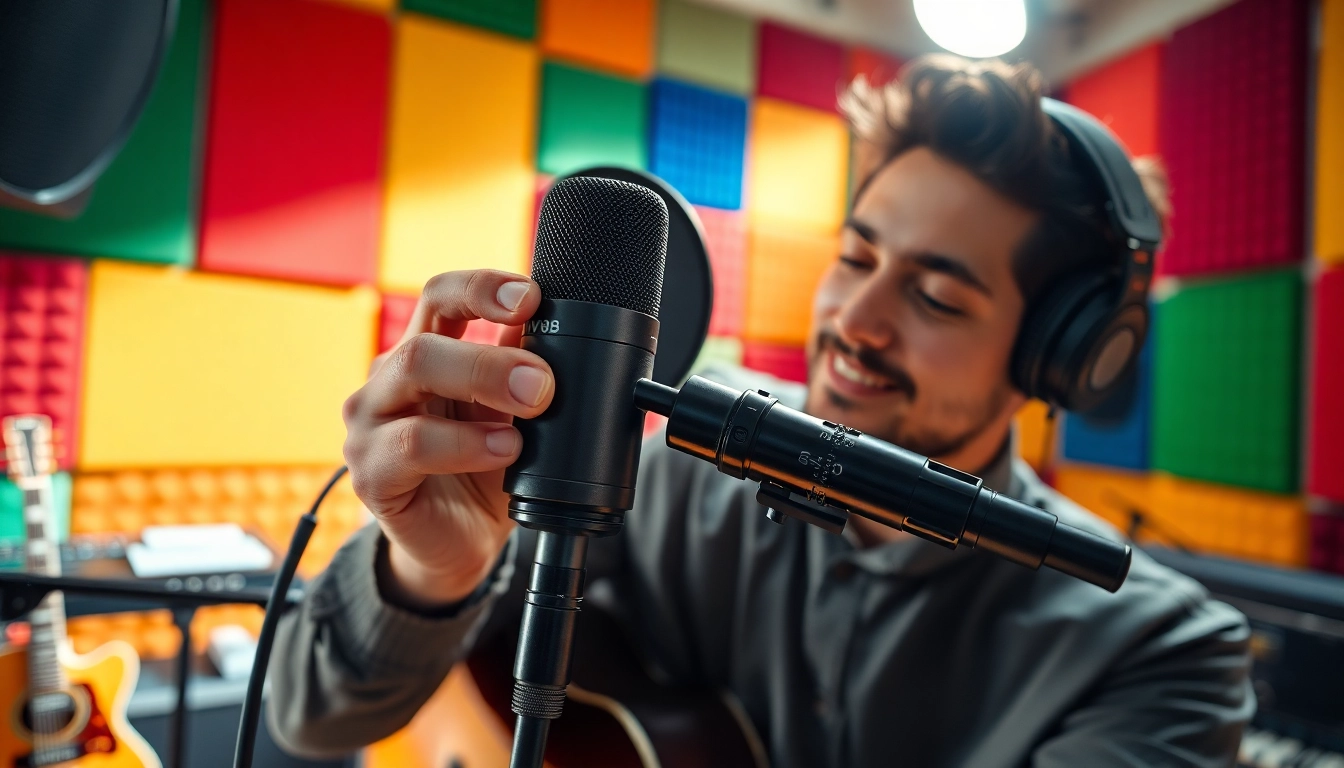
The MV88 is not just another microphone; it's a compact digital condenser microphone specifically engineered for mobile devices. One of its most distinguishing features is its ability to connect directly to iOS devices via a Lightning connector, making it effortlessly accessible for creators on the go. This unique feature sets the MV88 apart, as many microphones require additional adapters or interfaces for mobile integration. Combined with its ability to record in high-quality stereo, it creates a seamless experience for its users, allowing for high-level audio production without compromising mobility.
Key Features of the MV88
- Directional Sound Capture: The MV88 boasts adjustable stereo widths which allow users to tailor the microphone's pickup pattern to suit different recording scenarios, whether it's a solo vocal or a full choir.
- Built-In DSP: The onboard digital signal processing (DSP) enables real-time processing of audio, which ensures optimal clarity and levels without needing extensive post-production.
- Multiple Recording Modes: It offers various modes for different recording needs, including cardioid, bidirectional, and omnidirectional settings, making it versatile for any situation.
- Mobile App Integration: The ShurePlus MOTIV app provides additional control over gain, EQ settings, and compression, enhancing the user experience significantly.
- Compact Design: Lightweight and portable, the MV88 is ideal for travel and can easily fit into most gear bags.
Target Audience for MV88
The MV88's design makes it particularly appealing to several user groups, including:
- Musicians: Ideal for songwriters and performers looking to capture high-quality demos or live recordings.
- Podcasters: An excellent choice for podcasters who require crisp, clear audio during interviews and discussions.
- Content Creators: YouTubers and social media influencers can utilize the MV88 to elevate the production quality of their videos without complicated setups.
- Field Recordists: Journalists and documentarians can easily use the MV88 for on-location interviews and sounds attributed to their stories.
Installing and Setting Up the MV88
Equipment Needed for Optimal Use
Before diving into the setup process, ensuring you have the right equipment is vital for optimal use of the MV88. Here is a list of necessary items:
- iOS Device: A compatible iPhone or iPad is necessary for connection.
- ShurePlus MOTIV App: Download this app for enhanced functionality and controls.
- Windscreen (optional): If recording outdoors or in windy conditions, a windscreen can help reduce noise interference.
- Tripod or Stand: To stabilize the recording, especially in dynamic settings.
Step-by-Step Setup Process
Setting up the MV88 is straightforward, making it a convenient choice for users:
- Download the ShurePlus MOTIV App: Install from the App Store to control your settings efficiently.
- Connect the MV88: Plug the microphone directly into your iOS device’s Lightning port.
- Open the App: Launch the ShurePlus MOTIV app and adjust settings like gain, EQ, and modes based on your recording environment.
- Position the Microphone: Use the adjustable head to position your microphone to capture the best sound source.
- Test Recording: Conduct a brief test recording to ensure levels are appropriate before the actual recording.
Common Installation Challenges
While setting up the MV88 is generally efficient, users may encounter some common challenges:
- Device Compatibility: Ensure that your iOS device supports the MV88; older versions may need updates or may not be compatible.
- App Connectivity: If the ShurePlus MOTIV app fails to detect the MV88, try restarting your device or USB troubleshooting.
- Sound Quality Issues: If recordings do not sound as expected, consider environmental factors like background noise or microphone placement.
Using the MV88 in Different Environments
Best Practices for Studio Recording
When using the MV88 in a studio environment, several best practices can enhance recording quality:
- Control Acoustics: Use acoustic treatments like foam panels to minimize echo and reverberation.
- Optimal Placement: Position the MV88 6-12 inches away from the sound source for optimal clarity.
- Monitor Levels: Keep an eye on input levels using the app to prevent distortion.
Field Recordings with the MV88
Field recording presents unique challenges, but the MV88 excels in outdoor settings:
- Use a Windscreen: Always attach a windscreen when recording in open air to shield against wind noise.
- Be Mindful of Background Noise: Choose quiet environments or times of day to minimize extraneous sounds.
- Stabilize Your Setup: Use a tripod to ensure steady capture and avoid handling noises.
Live Performance Tips
For musicians and performers, the MV88 can be an invaluable asset during live shows:
- Use Feedback Suppression: Choose the appropriate polar pattern (often cardioid) to reduce feedback during live amplification.
- Test Soundcheck: Always conduct a soundcheck before performing to balance levels properly.
- Engage with the Audience: Position the microphone to engage with the audience while ensuring good sound capture.
Comparing the MV88 to Competitors
How the MV88 Stands Out
When comparing the MV88 with other microphones, several standout features emerge:
- Direct iOS Compatibility: While many microphones require a separate interface or adapter, the MV88 integrates seamlessly with iOS devices.
- Adjustable Stereo Width: The diverse pickup patterns allow for a degree of customization not always seen in competing models.
- Robust Mobile App Integration: The ShurePlus MOTIV app adds a layer of professional control not offered by many competitors.
Analyzing Similar Microphones
When examining other microphones in the same price range, such as the Rode VideoMic Me or the Zoom H1n, notable differences arise:
- Rode VideoMic Me: While compact and high-quality, it lacks the direct interface for iOS devices and is more focused on direct sound capture without additional controls.
- Zoom H1n: This portable recorder excels in versatility but may not match the audio quality and ease-of-use of the MV88's mobile-focused features.
User Feedback and Reviews
User reviews and feedback play an essential role in understanding the MV88's performance. The majority of reviews highlight commendable sound quality, especially for its size, and the ease of use with iOS devices. However, some users noted that battery usage tends to be higher when using DSP, suggesting a trade-off between features and battery life.
Conclusion: Elevating Audio Quality with the MV88
Final Thoughts on the MV88's Impact
The MV88 microphone has established itself as a formidable contender in the realm of portable audio solutions. Its unique blend of high-quality sound capture, expert-level controls, and mobile compatibility make it a go-to for serious musicians and creators alike. By understanding and mastering its features, users can elevate their audio work significantly, achieving studio-like quality away from the traditional recording setting.
Future Developments in Microphone Technology
The landscape of microphone technology continues to evolve, and products like the MV88 set the benchmark for innovations to come. Future developments may involve advancements in wireless connectivity, even more refined DSP capabilities, and extended battery life to facilitate more prolonged use in diverse environments.
Your Next Steps in Choosing a Microphone
If you're considering investing in a microphone that meets both your needs and enhances your audio quality, the MV88 should be at the forefront of your selection process. Analyze your recording environment, your specific needs, and the features that resonate most with your creative vision. With the right tools, you too can capture high-quality audio that speaks volumes.