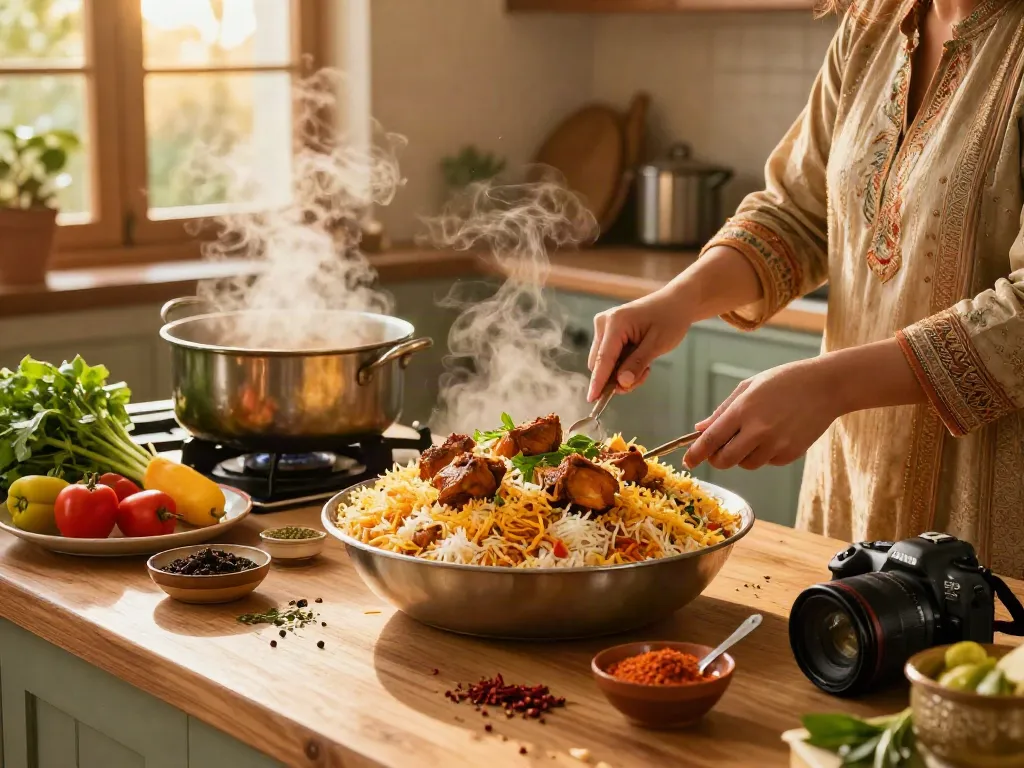
About the Pakistani Chicken Biryani Recipe
Biryani is not just a meal in Pakistan; it's a cherished tradition that features prominently in family gatherings, weddings, and celebrations. This iconic dish combines aromatic basmati rice with tender chicken and a symphony of spices, making it a beloved staple across South Asian households. Mastering this dish can be intimidating for some, but with the right guidance and ingredients, you can whip up an irresistible biryani that will impress your family and friends. Today, we will explore the Pakistani chicken biryani recipe that simplifies the process while delivering authentic flavor.
History and Origins of Biryani
The roots of biryani trace back to the Persian word "birian," which means "fried before cooking." This dish made its way to the Indian subcontinent with the Mughals and has since evolved into countless regional variations. Each iteration reflects the unique culinary preferences of the area, from the spicy Hyderabadi biryani to the milder Sindhi variety. In cities like Karachi, biryani is more than just a dish—it's a culinary identity, with each vendor boasting their secret recipe.
Why This Recipe is a Must-Try
This particular recipe stands out because it is both straightforward and packed with flavor. Whether you're a novice cook or an experienced chef, the step-by-step instructions make it easy to create a dish that tastes as if it were made in a high-end restaurant. The subtle blend of spices and the juicy chicken ensure that every bite is a culinary delight.
Understanding Biryani Variations
While our focus here is on the classic Pakistani chicken biryani, it's worth noting that there are myriad variations across the globe. For instance, the biryani from Lucknow is known for its use of saffron and a layering technique that enhances flavor, while the Kolkata biryani often includes potatoes and boiled eggs. Each recipe tells a story, showcasing the rich tapestry of culinary traditions that shape the biryani landscape.
Ingredients for the Perfect Biryani
To create the perfect biryani, it's essential to gather quality ingredients that bring out the authentic flavors of the dish. Here's a breakdown of the key components you will need to elevate your biryani experience.
Essential Components of Chicken Biryani
- 800 grams of chicken, preferably with bone for added flavor
- 3 cups of basmati rice, soaked for at least 30 minutes
- 1 large onion, chopped
- 2 medium tomatoes, chopped
- 1 tablespoon ginger-garlic paste
- 1 teaspoon salt (or to taste)
- ½ teaspoon turmeric powder
- 1 teaspoon red chili powder (optional)
- 1 cup yogurt, thick and creamy
- 4-5 green chilies, slit
- A handful of fresh cilantro and mint leaves for garnish
- Cooking oil or desi ghee for frying
- 1 pack of Shan special Bombay biryani masala or homemade masala (details below)
Choosing the Right Spices and Mixes
The secret to a flavorful biryani lies in the spices. Authentic Pakistani chicken biryani requires a balanced mix of spices that can either be store-bought or prepared at home. If you're pressed for time, Shan Bombay Biryani Masala is a great shortcut without compromising the taste. However, if you prefer making your own, you can blend a mixture of coriander powder, cumin, cardamom, cloves, and cinnamon for a personalized touch.
Vegetarian Alternatives and Substitutions
For those looking for a vegetarian option, you can easily substitute chicken with mixed vegetables or even paneer. The same spices and layering techniques apply, and incorporating vegetables like carrots, peas, and potatoes can yield a delicious biryani that everyone will enjoy.
Step-by-Step Guide to Cooking Biryani
The beauty of biryani lies in its layering. Cooked with precision, this dish results in rice that is fluffy and full of flavor while the chicken remains tender and succulent. Here’s a comprehensive guide to creating your biryani.
Parboiling Rice: The Key Technique
Begin by parboiling the rice. In a large pot, bring 3 liters of water to a boil and add 3 teaspoons of salt. Add the soaked basmati rice and cook until it is about 70% done (it should still have a bit of bite to it). Drain the rice and set it aside. This step is crucial as it prevents the rice from becoming mushy once layered and cooked with the chicken.
Preparing the Chicken and Masala
In a separate pan, heat ½ cup of oil or ghee over medium heat. Add the chopped onions and fry until golden brown. Incorporate the ginger-garlic paste and sauté for a minute. Next, add the chicken and cook until it changes color. Stir in the halved potatoes (if using), chopped tomatoes, salt, turmeric, and red chili powder. Cook until the tomatoes break down, then add ¼ cup of hot water and cover to cook for 5-7 minutes until everything is tender. Finally, add whisked yogurt mixed with the Bombay biryani masala. Cook until the oil separates from the mixture.
Layering and Cooking on Dum
In a heavy-bottomed pot, start with a layer of the chicken mixture, followed by the drained rice. Repeat the layers, finishing with a layer of rice. Garnish with fresh mint, cilantro, lemon slices, and a pinch of orange food coloring if desired. Seal the pot with a tight lid, and cook on low heat for 25 minutes to allow the flavors to meld together.
Tips for Achieving Perfect Texture and Flavor
Perfecting biryani involves understanding the nuances of cooking and flavor balance. Here are some tips to elevate your biryani game.
Understanding Rice to Chicken Ratios
The rice-to-chicken ratio is essential for achieving the right balance. A general guideline is to use 1 cup of rice for every 250-300 grams of chicken. Adjust this based on your preference and the number of servings you need.
Secrets to Flavorful Cooking
Don't skimp on the spices! A flavorful biryani is the result of well-seasoned components. The marination of the chicken in yogurt and spices enhances tenderness and depth. Additionally, consider toasting your spices before adding them to release their essential oils.
Avoiding Common Mistakes
One common mistake is overcooking the rice during the initial boiling stage. Aim for just a parboil to ensure it can fully cook and absorb flavors during the dum cooking stage. Additionally, be mindful of the heat; cooking on too high of a flame can burn the bottom of the pot.
Serving Suggestions and Pairings
Pair your biryani with accompaniments that enhance the overall dining experience. Raita, a yogurt-based side, cuts through the richness of the biryani and provides a refreshing balance.
Best Accompaniments for Biryani
- Raita: Combine yogurt, cucumber, mint, and a sprinkle of cumin.
- Chutney: A tangy tamarind or mint chutney complements the spices beautifully.
- Salad: A simple salad with onions, tomatoes, and cucumbers adds crunch and freshness.
How to Present Biryani at Gatherings
For gatherings, present the biryani in an attractive dish, garnished with fresh herbs, lemon wedges, and fried onions. This not only enhances visual appeal but also invites your guests to indulge.
Exploring Unique Serving Styles
Consider serving biryani in individual portions, where each plate has a scoop with accompaniments on the side. This makes for an elegant presentation that's perfect for special occasions.
Can I Use Yellow Food Color Instead?
Yes, yellow food color can be a substitute for orange food color, offering a vibrant hue to your biryani. This is particularly used to enhance the visual appeal of the dish, making it more inviting.
What is the Secret to a Good Biryani?
The true secret lies in the balance of spices and the quality of ingredients used. Fresh, aromatic spices, high-quality basmati rice, and well-marinated meat ensure that each element of the biryani shines through. Moreover, patience during the cooking process allows flavors to develop fully.
Is Pakistani Biryani Different from Indian Biryani?
While both Pakistani and Indian biryani share common roots, they often differ in spice levels, ingredient choices, and cooking techniques. Pakistani biryani tends to be richer, often featuring a more pronounced use of yogurt, while Indian variations may incorporate saffron and different regional spices.