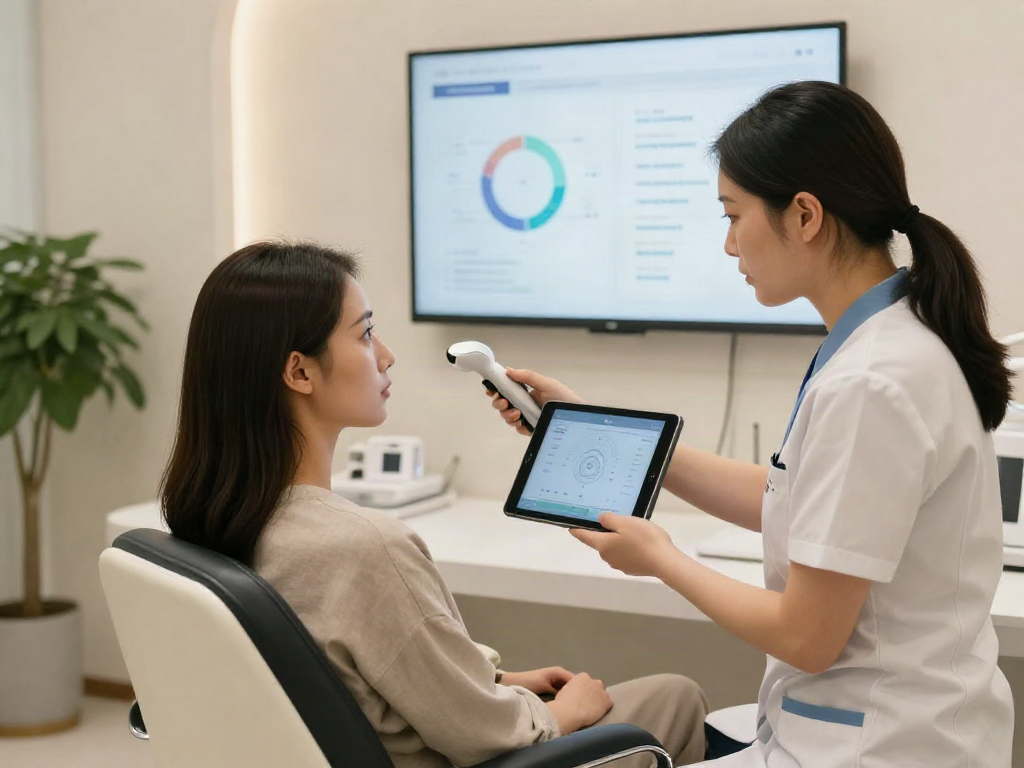
Understanding the Concept of Health
Key Definitions and Dimensions of Health
Health is a multifaceted concept encompassing physical, mental, emotional, and social well-being. The World Health Organization defines health as "a state of complete physical, mental, and social well-being, and not merely the absence of disease or infirmity." This definition emphasizes the importance of holistic approaches to health rather than merely focusing on the absence of illness. Health can be understood in various dimensions, including:
- Physical Health: Refers to the efficient functioning of the body and its systems. It includes fitness levels, proper nutrition, and absence of disease.
- Mental Health: Encompasses cognitive processes and emotional well-being. It includes stress management, emotional regulation, and mental resilience.
- Emotional Health: Involves the ability to express feelings appropriately and cope with challenges.
- Social Well-Being: Relates to how well individuals interact, form relationships, and connect with communities.
Importance of Physical and Mental Well-Being
The interplay between physical and mental well-being is crucial for a person's overall health. A healthy body often enhances mental clarity and emotional stability. Regular physical activity can improve mood, boost self-esteem, and reduce anxiety and depression levels. Likewise, good mental health can motivate individuals to take better care of their physical health, promoting a cycle of well-being.
Studies show that individuals who maintain both physical fitness and mental health report higher levels of satisfaction in life, improved relationships, and productive careers. Understanding this relationship is essential for adopting a holistic approach to health.
Common Misconceptions About Health
Despite advancements in health knowledge, several misconceptions continue to persist:
- Health Is Just the Absence of Disease: Many believe that a person is healthy if they do not suffer from any diagnosed medical conditions. However, health encompasses wider aspects, including mental, social, and emotional well-being.
- Only Older Adults Need to Worry About Health: Health should be a priority for individuals of all ages. Healthy habits established in youth can lead to better health outcomes later in life.
- Mental Health Is Less Important Than Physical Health: This misconception can lead to the stigma surrounding mental health issues and prevent individuals from seeking help. Both aspects are equally crucial.
Implementing Healthy Lifestyle Changes
Daily Habits to Improve Physical Health
Implementing daily habits that promote physical health can significantly enhance overall well-being. Here are actionable strategies:
- Regular Exercise: Aim for at least 150 minutes of moderate aerobic activity or 75 minutes of vigorous activity weekly. Incorporate strength training exercises at least twice a week.
- Balanced Nutrition: Prioritize whole foods such as fruits, vegetables, lean proteins, and whole grains while minimizing processed foods. Consider meal prepping to ensure healthy options are readily available.
- Hydration: Drink plenty of fluids, primarily water. Proper hydration is critical for maintaining energy levels and supporting bodily functions.
- Quality Sleep: Strive for 7-9 hours of sleep per night. Create a bedtime routine to improve sleep quality, including reducing screen time before bed.
Strategies for Mental Health Enhancement
Enhancing mental health requires a proactive approach. Here are some effective strategies:
- Mindfulness and Meditation: Practicing mindfulness meditation can reduce stress and improve mental clarity. Dedicate a few minutes each day to these practices.
- Social Connections: Foster relationships by engaging with friends and family. Social interactions can provide emotional support and reduce feelings of loneliness.
- Professional Help: Don’t hesitate to seek professional help if needed. Psychological therapy and counseling can be beneficial in managing mental health issues.
- Journaling: Writing down thoughts and emotions can help process feelings and track mental health over time.
Nutritional Guidelines for Optimal Health
Nutrition plays a critical role in health. Here are essential nutritional guidelines:
- Variety is Key: Include a diverse range of foods in your diet to ensure comprehensive nutrient intake. Each food group provides unique benefits.
- Portion Control: Pay attention to serving sizes to avoid overeating, and listen to your body's hunger and fullness cues.
- Limit Added Sugars and Sodium: Reducing sugar and salt intake can lower the risk of chronic diseases such as hypertension and obesity.
- Regular Meal Timing: Eating at consistent times each day helps maintain metabolic balance and prevent excessive snacking.
Maintaining Consistency in Health Practices
Building a Routine That Sticks
Establishing a sustainable health routine is essential for long-term success. Consider these tips:
- Set SMART Goals: Goals should be Specific, Measurable, Achievable, Relevant, and Time-bound. This framework helps track progress effectively.
- Start Small: Begin with manageable changes rather than overwhelming yourself with multiple transformations. Gradual adjustments lead to lasting habits.
- Track Your Progress: Use health journals or apps to monitor physical activity, food intake, and mental health reflections. This visibility can motivate ongoing commitment.
- Accountability Partner: Engage a friend or family member to keep each other accountable, share progress, and celebrate achievements.
Managing Setbacks and Challenges
Setbacks are a natural part of any health journey. Here are strategies to manage them:
- Recognize Obstacles: Identify potential barriers to maintaining healthy habits and develop strategies to overcome them.
- Practice Self-Compassion: Be kind to yourself during challenging times. Understand that setbacks do not define your overall progress.
- Reassess Goals: If previous goals become unmanageable, do not hesitate to adjust them. Flexibility is crucial to maintaining motivation.
Utilizing Technology for Health Tracking
Technology provides valuable tools for maintaining health practices. Consider the following:
- Health Apps: Utilize apps designed for tracking fitness activities, nutrition, or mental health. These can provide insights and reminders for staying on track.
- Wearable Devices: Devices like smartwatches or fitness trackers can monitor physical activity, heart rate, and sleep patterns, offering a comprehensive overview of your health.
- Online Communities: Join online spaces where individuals share health journeys and tips. These communities can offer support and motivation.
Community Resources Supporting Health
Local Health Initiatives and Programs
Many communities provide resources aimed at supporting residents' health. Here are some examples of initiatives:
- Health Screenings: Local clinics or health fairs often provide free health screenings for blood pressure, cholesterol, and diabetes.
- Exercise Classes: Community centers or gyms may offer fitness classes catering to different skill levels and interests, providing an opportunity for physical activity and social engagement.
- Nutritional Workshops: Look for workshops that educate on meal preparation and healthy eating habits, usually offered by local health services.
Online Platforms for Health Education
The internet offers numerous resources for learning about health:
- Webinars and Online Courses: Various organizations host free or affordable webinars and courses covering a range of health topics.
- Health Portals: Utilize government and nonprofit health portals to access trustworthy health information and resources.
- Social Media Groups: Engage in social media platforms that share health-related content, tips, and community support.
Finding Support Through Health Communities
Connecting with others pursuing similar health goals can be beneficial:
- Support Groups: Consider joining a support group for specific health issues or lifestyle changes, where members share experiences and encourage one another.
- Local Clubs: Look for running clubs, fitness groups, or wellness workshops in your community that foster social connections.
- Online Forums: Participate in forums where individuals discuss health topics, share stories, offer advice, and find solidarity in their health journeys.
Measuring Health Outcomes and Progress
Key Metrics to Assess Your Health
Measuring health outcomes is crucial for understanding progress. Key metrics include:
- Body Mass Index (BMI): While not perfect, measuring BMI can provide insight into body weight relative to height.
- Bodily Measurements: Keep track of waist circumference and body fat percentage for a more comprehensive understanding of body composition.
- Physical Fitness Tests: Evaluate improvements in cardiovascular endurance, strength, flexibility, and overall fitness through regular tests.
- Mental Health Assessments: Use questionnaires or assessments to evaluate mental health and mood periodically, helping track improvement or need for adjustment.
Tools for Evaluating Health Improvements
Utilize various tools for a more nuanced evaluation of health improvements:
- Health Journals: Document daily activities, feelings, and health observations to identify patterns and areas for improvement.
- Mobile Apps: Use apps focused on health metrics, which can analyze and visualize data over time, providing a clearer picture of progress.
- Feedback Mechanisms: Regularly solicit feedback from health professionals, family, or community members about changes noticed in your health.
Celebrating Milestones in Your Health Journey
Recognizing and celebrating milestones is essential for maintaining motivation:
- Document Achievements: Keep a record of significant achievements, whether it’s weight loss, improved endurance, or mental health improvements.
- Reward Yourself: Consider small rewards for reaching goals, which can create positive reinforcement and keep motivation high.
- Reflect on Your Journey: Take time periodically to reflect on your progress. Acknowledging how far you’ve come can inspire ongoing commitment to health goals.