Understanding Construction Site Safety Regulations
Overview of Safety Regulations
Construction site safety regulations are critical for protecting worker safety and health in an industry that often presents a myriad of hazards. These regulations are designed to provide standards and guidelines for safe operations on construction sites, covering everything from fall protection to the use of personal protective equipment. Regulatory frameworks, such as the Occupational Safety and Health Administration (OSHA) in the United States, deliver guidelines, while local and state authorities also implement specific provisions tailored to their jurisdictions. Adhering to these regulations is essential not just for compliance but for fostering a culture of safety that significantly reduces accidents and injuries.
Importance of Compliance
Compliance with construction safety regulations is paramount. Failing to adhere can lead to severe consequences such as heavy fines, legal repercussions, and, most importantly, catastrophic injuries or fatalities. Additionally, maintaining compliance establishes a safer working environment, which can enhance productivity by minimizing downtime due to accidents. Employers that prioritize safety can also benefit from improved employee morale, low turnover rates, and a reputation as a safety-conscious organization in the marketplace. These benefits often lead to increased trust and business opportunities within the industry.
Common Regulatory Bodies
Various regulatory bodies govern safety within the construction industry. The most recognized is the Occupational Safety and Health Administration (OSHA) in the United States, which sets and enforces health standards. Other entities such as the National Institute for Occupational Safety and Health (NIOSH) conduct research and provide recommendations. Additionally, state and local agencies often have their own safety regulations, further underscoring the importance of understanding and complying with these rules. Local building codes and regulations can differ significantly, so it is crucial for companies to remain informed about all applicable laws.
Identifying Hazards on Construction Sites
Types of Hazards and Risks
Construction sites are fraught with potential hazards that can jeopardize worker safety. The most common types include:
- Falls: These are the leading cause of fatalities in construction. Working at heights without proper safety measures can result in serious injuries.
- Electrocution: Exposed wiring and improper handling of electrical equipment can lead to lethal shocks.
- Struck-by incidents: Workers are at risk of being hit by moving vehicles, falling tools, or materials.
- Caught-in/between injuries: These occur when a worker is squeezed, caught, or crushed between objects or equipment.
- Health hazards: Exposure to hazardous materials, such as asbestos or lead, poses long-term health risks.
Conducting Effective Risk Assessments
Conducting a risk assessment involves systematically examining the construction site to identify potential dangers. This process includes:
- Identifying hazards: Walk the job site to observe and document risks that could cause harm.
- Evaluating risks: Assess the likelihood of incidents occurring and their potential severity.
- Implementing control measures: Develop strategies and safety measures to mitigate identified risks.
- Reviewing and updating: Regularly review and modify the risk assessment to encompass changing site conditions.
Utilizing Safety Checklists
Safety checklists are effective tools for ensuring that all safety measures are adhered to before, during, and after construction activities. A typical safety checklist may include items like verifying that everyone is wearing the correct personal protective equipment (PPE), ensuring that safety equipment is available and functioning, and confirming that workers are aware of emergency procedures. These checklists promote accountability and standardize safety practices across teams, fostering a more secure work environment.
Safety Training and Worker Awareness
Developing Training Programs
Developing comprehensive safety training programs is essential for instilling a culture of safety among construction workers. These programs should cover key areas such as:
- Understanding safety regulations and compliance
- Proper use of personal protective equipment
- Emergency response procedures
- Specific training for working at heights, handling hazardous materials, and operating machinery
Training should be interactive and engaging, utilizing methods like workshops, hands-on demonstrations, and digital learning platforms to accommodate various learning styles. Recertification should be done at regular intervals to keep safety knowledge up to date.
Documenting Training Efforts
Documentation of training is crucial for legal compliance and to track worker progress. Employers should maintain records that detail the training provided to each worker, including dates, topics, and participation levels. This not only serves as a compliance measure but can be instrumental in performance reviews, liability protection, and fostering continuous improvement of training programs.
Encouraging a Safety Culture
Encouraging a culture of safety within the workplace requires leadership commitment and active participation from all levels of the organization. Employers can foster this culture by:
- Leading by example: Management should follow safety protocols and demonstrate a commitment to safety.
- Encouraging feedback: Workers should feel comfortable reporting issues and suggesting improvements without fear of retaliation.
- Recognizing safe behavior: Positive reinforcement for following safety practices encourages more of the same.
When workers feel valued and see safety as a shared responsibility, their adherence to safety practices increases, ultimately leading to a safer work environment.
Implementing Safety Equipment and Gear
Essential Safety Gear for Workers
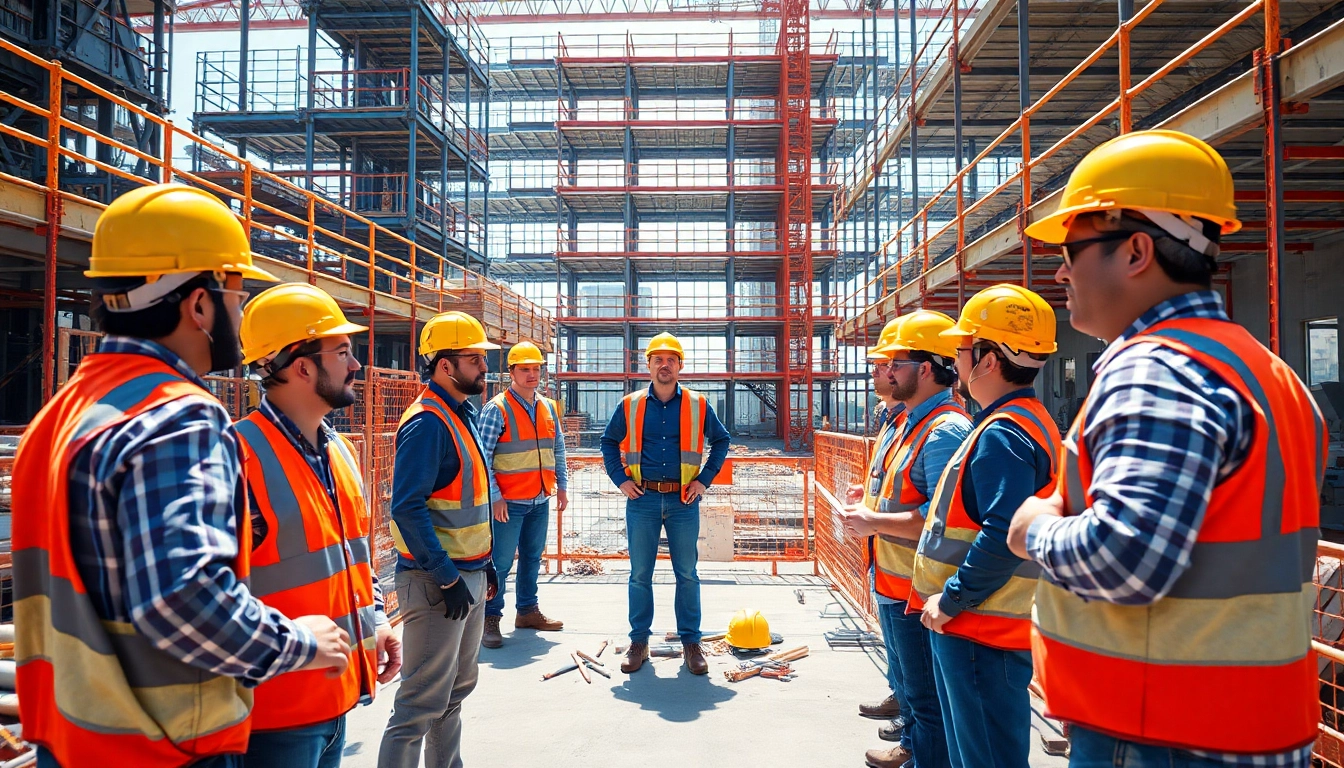
The use of appropriate safety gear is an integral part of construction site safety. Essential personal protective equipment (PPE) includes:
- Hard hats: To protect against head injuries from falling objects.
- Safety goggles: To shield the eyes from debris and chemical splashes.
- High-visibility clothing: To ensure workers are easily seen, particularly on busy sites with heavy machinery.
- Gloves: To protect hands when handling materials and equipment.
- Steel-toed boots: To prevent foot injuries in the event of heavy items falling.
Employers should assess the specific risks of their sites to determine the appropriate safety gear needed for their workforce.
Regular Equipment Maintenance
Ensuring that safety equipment is well-maintained is key to its effectiveness. Regular inspections, cleaning, and necessary repairs can prevent malfunction during critical times. Establishing a maintenance schedule and keeping detailed logs of equipment status can help in identifying issues before they become hazardous. Workers should also be trained in the proper care and usage of safety gear to maximize its lifespan and effectiveness.
Evaluating Safety Gear Effectiveness
The effectiveness of safety gear should be continually assessed to ensure it meets current safety standards and the specific needs of the job site. This can involve:
- Soliciting feedback from workers on PPE comfort and usability
- Reviewing incident reports to identify whether PPE might have failed during accidents
- Staying updated with innovations in safety equipment to upgrade when necessary
Investment in high-quality safety gear not only protects workers but also enhances overall productivity and morale on site.
Emergency Preparedness and Response Plans
Creating Emergency Response Strategies
Effective emergency preparedness involves formulating strategies that address a variety of potential incidents. Plans should encompass:
- Identification of emergency procedures, such as evacuation routes, first aid stations, and emergency contacts.
- Assigning roles and responsibilities to workers for different emergency scenarios.
- Regular reviews and updates of plans to align with changing site conditions.
Collaboration with local emergency services can also enhance response strategies, ensuring that the site is ready for swift action in any crisis.
Regular Emergency Drills
Regularly conducting emergency drills is essential for ensuring that everyone knows their role and the procedures to follow during a crisis. These drills should encompass a variety of scenarios, including fire, medical emergencies, and severe weather events. Analyzing the results of these drills can help identify gaps in training and preparation, which should be addressed through further training and revisions to emergency plans.
Continuous Improvement of Safety Plans
Construction sites are dynamic, and as such, emergency preparedness plans should not be static. Continuous improvement should include feedback from drills and actual incidents to refine protocols. Conducting regular audits of emergency plans ensures that they remain relevant and effective. This proactive approach fosters a safer work environment by keeping safety front of mind and readily addressing areas for improvement.
FAQs on Construction Site Safety
What are the main responsibilities of a site manager regarding safety?
A site manager must ensure compliance with safety regulations, conduct regular site inspections, and provide necessary training to workers.
How can workers contribute to safety on construction sites?
Workers can contribute by using personal protective equipment (PPE), reporting hazards, and participating in safety meetings and training.
What is the purpose of a risk assessment?
A risk assessment helps identify potential hazards, evaluate risks, and implement measures to mitigate those risks effectively.
What types of PPE are mandatory on construction sites?
Mandatory PPE typically includes hard hats, safety glasses, gloves, high-visibility clothing, and steel-toed boots.
How often should safety training be conducted?
Safety training should be conducted regularly, ideally at least annually, and whenever there are changes in procedures or equipment.