1. Understanding Cannabis: Origins and Basics
1.1 Introduction to Cannabis and its History
Cannabis, widely recognized for its psychoactive properties, has a complex history that dates back thousands of years. It has served various purposes including medicinal, recreational, and industrial uses. The early civilizations, such as the Chinese and Indians, utilized Cannabis for its therapeutic properties, while also weaving its fibers into textiles. With the rise of contemporary knowledge surrounding the plant, Cannabis has emerged as a focal point in discussions regarding health and legality. The shift in public perception has led to increased legalization efforts across different jurisdictions, allowing for further research into its various applications and effects.
1.2 Types of Cannabis Plants: Sativa vs. Indica
Cannabis plants are primarily categorized into three types: Cannabis sativa, Cannabis indica, and Cannabis ruderalis. Sativa strains are often associated with energizing effects and are typically used for daytime consumption. In contrast, indica strains tend to produce calming, sedative effects, making them suitable for evening use. Understanding the differences is crucial for users to tailor their experiences according to their individual needs and environments. Hybrid varieties that combine both sativa and indica traits are also popular, offering unique effects based on their genetic makeup.
1.3 Chemical Compounds: THC and CBD Explained
The therapeutic effects of Cannabis mainly stem from its complex chemical composition, including over 100 compounds known as cannabinoids. Two of the most well-known cannabinoids are tetrahydrocannabinol (THC) and cannabidiol (CBD). THC is the primary psychoactive component responsible for the euphoric sensation associated with Cannabis use. Conversely, CBD has garnered attention for its potential health benefits without inducing a high, such as reducing anxiety and inflammation. Understanding these cannabinoids empowers users to choose products that align with their health goals.
2. Health Benefits and Uses of Cannabis
2.1 Medicinal Uses: Treating Chronic Pain and Anxiety
Cannabis has been increasingly recognized for its medicinal properties, particularly in managing chronic pain and anxiety disorders. Studies have shown that both THC and CBD can interact with the body’s endocannabinoid system, leading to pain relief and reduced anxiety levels. For patients suffering from conditions such as arthritis or migraines, Cannabis offers a natural alternative to traditional medications, often with fewer side effects. Medical professionals recommend consulting with a healthcare provider to tailor treatment plans using Cannabis.
2.2 Recreational Uses: Effects and Responsible Consumption
Recreational use of Cannabis varies widely among individuals, influenced by personal preferences and tolerances. Users often report feelings of euphoria, relaxation, and heightened sensory experiences. However, responsible consumption is paramount to mitigate risks such as overconsumption and impaired judgment. Understanding dosage and strain selection can significantly enhance the experience, allowing users to enjoy the effects safely and mindfully. Furthermore, it is essential to consider the setting and occasion when consuming Cannabis to ensure a positive experience.
2.3 Cannabinoids: Understanding CBD and THC
The burgeoning cannabinoid market has expanded the conversation beyond THC. CBD products have flooded the market, offering various forms such as oils, edibles, and topicals. Their non-psychoactive nature makes them appealing to those seeking therapeutic benefits without the intoxicating effects of THC. Understanding the potential benefits and appropriate dosages of each cannabinoid is crucial for maximizing therapeutic outcomes. Research continues to unveil new potentials of cannabinoids, paving the way for innovative treatments and products in healthcare.
3. Cultivation Techniques for Cannabis
3.1 Indoor vs. Outdoor Growing Environments
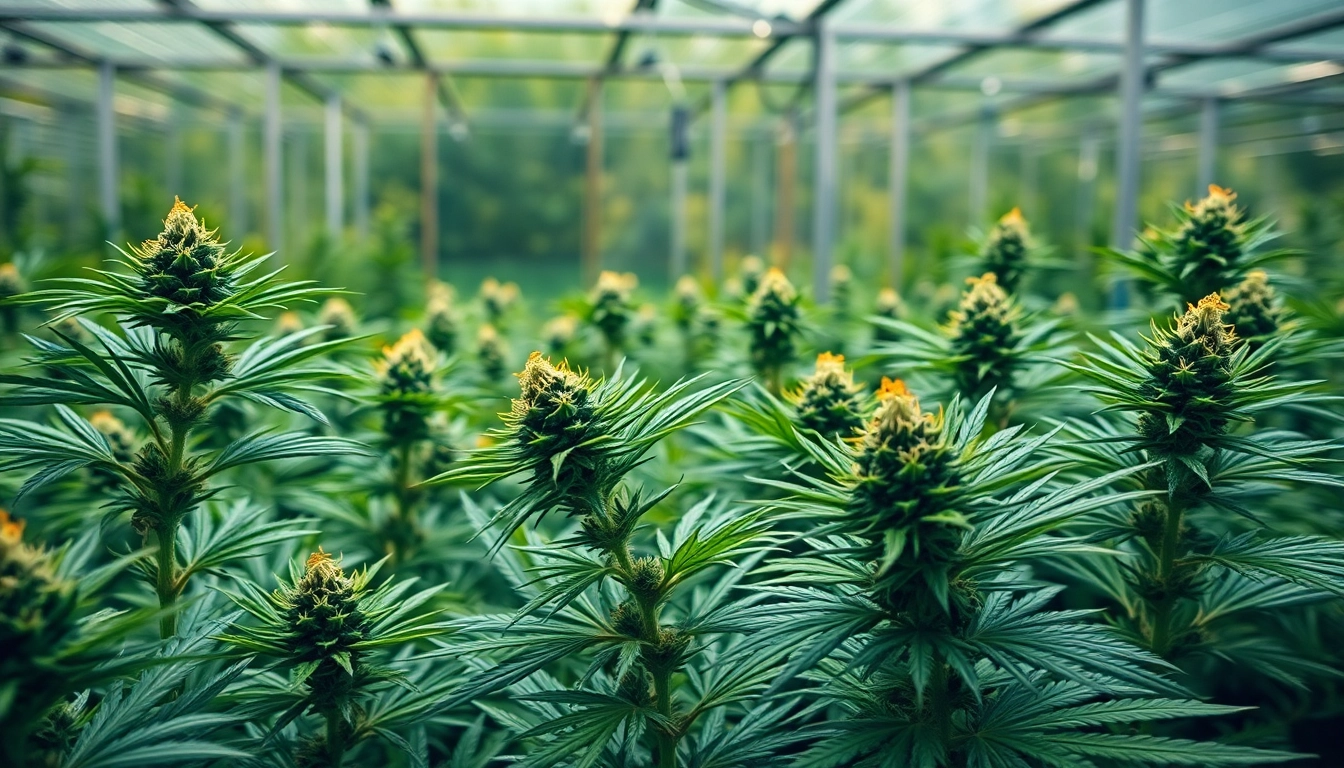
Cultivating Cannabis can be conducted either indoors or outdoors, each method presenting distinct advantages and challenges. Indoor cultivation offers the ability to control environmental conditions such as light, temperature, and humidity, leading to consistently high-quality yields. On the contrary, outdoor cultivation utilizes natural sunlight and can produce larger plants; however, it is subject to environmental risks such as pests and weather conditions. Each technique requires different approaches to growing techniques, equipment, and ongoing maintenance.
3.2 Important Growing Conditions: Light, Water, and Soil
Successful Cannabis cultivation relies heavily on proper growing conditions. Light is particularly crucial, as it affects the plant's ability to photosynthesize. Different stages of growth require varying light cycles; for instance, vegetative growth typically requires longer light exposure than flowering. Water quality and frequency also play vital roles; overwatering can lead to root rot, while under-watering can stress the plant. Additionally, the choice of soil or growing medium directly impacts nutrient availability and drainage, both of which are essential for healthy plant growth.
3.3 Harvesting and Processing Cannabis
Harvesting Cannabis requires careful timing to ensure optimal potency and flavor. Growers typically observe the color of trichomes—tiny, glandular structures on the flowers—to determine the right time to harvest. Once harvested, the Cannabis undergoes a processing stage involving drying, curing, and trimming. Proper curing enhances the flavor and smoothness of the final product, making it more enjoyable for users. Understanding the precise steps for harvesting and processing can significantly improve the quality of the Cannabis.
4. Legal Landscape Surrounding Cannabis
4.1 Overview of Cannabis Laws in the US
The legal status of Cannabis in the United States is complex and varies significantly by state. While some states have legalized Cannabis for medical and recreational use, others continue to impose strict prohibitions. Federal law classifies Cannabis as a Schedule I narcotic, complicating both legal and commercial avenues for Cannabis businesses. A thorough understanding of state-specific laws and regulations is essential for anyone looking to engage in Cannabis-related activities, whether for personal use or business operations.
4.2 Navigating Compliance for Cultivators
For Cannabis cultivators, compliance with state and local regulations is paramount to operation. This includes obtaining the necessary licenses, adhering to security regulations, and ensuring product testing complies with safety standards. Navigating compliance requires staying updated on legislative changes and partaking in ongoing education regarding best practices. Ignoring these regulations can lead to severe penalties, including fines and the revocation of licenses.
4.3 International Perspectives on Cannabis Legislation
Internationally, Cannabis legislation varies, ranging from full legalization to complete prohibition. Countries like Canada and Uruguay have established frameworks for the legal sale and consumption of Cannabis, while countries such as Singapore impose strict penalties for possession. Understanding the global landscape of Cannabis laws is critical for fostering international commerce and addressing the challenges associated with cross-border trade and consumption. Collaborative discussions among nations can lead to more cohesive regulations and a better-informed world about Cannabis.
5. Addressing Common Myths and Misconceptions
5.1 Cannabis and Addiction: What the Research Shows
A common misconception surrounding Cannabis is the belief that it is highly addictive. Research indicates that while some individuals may develop a dependence on Cannabis, the addiction rates are lower compared to other substances such as alcohol and opioids. It is crucial to recognize that the risk of developing a dependence varies based on factors such as genetics, frequency of use, and individuals’ environment. Ongoing research continues to challenge stigmas surrounding Cannabis use and addiction.
5.2 Impact on Mental Health: Separating Fact from Fear
Concerns about Cannabis and mental health are prevalent, with some arguing that it exacerbates issues such as anxiety and depression. However, research is nuanced, showing that Cannabis can benefit some individuals with mental health conditions, while it may worsen symptoms in others. Personal experiences vary, and users should approach Cannabis aware of their mental health status. Consulting healthcare professionals before using Cannabis is advisable to address concerns and ensure safe usage.
5.3 Cannabis and Safety: Driving and Usage Risks
The relationship between Cannabis use and safety, particularly regarding driving, is a topic of significant concern. Studies indicate that Cannabis can impair motor skills and reaction times, increasing the risk of accidents. Users should always prioritize safety and avoid driving under the influence, similar to alcohol usage regulations. Public education campaigns about these risks are essential in promoting responsible Cannabis consumption while keeping the community safe.
FAQs about Cannabis
What are the effects of Cannabis on the body?
Cannabis affects the body through its interaction with the endocannabinoid system, leading to alterations in mood, appetite, and perception of pain. Users may experience relaxation, euphoria, or even anxiety, depending on the strain and dosage.
Is Cannabis legal everywhere?
No, Cannabis legality varies widely, with some states legalizing it for recreational and medicinal use, while others strictly prohibit it. It is essential to be aware of local laws before using Cannabis.
Can Cannabis help with chronic pain?
Yes, many studies have shown that Cannabis can effectively manage chronic pain by interacting with receptors in the brain and immune system, reducing inflammation and pain sensation.
Does Cannabis cause addiction?
While some individuals can develop a dependence on Cannabis, the addiction rates are lower than other substances. Genetics, frequency of use, and personal history play significant roles in this risk.
How should I consume Cannabis safely?
Safe Cannabis consumption involves starting with a low dose, understanding its effects, and avoiding driving or operating machinery. Being aware of your mental health state and consulting professionals can further enhance safety.