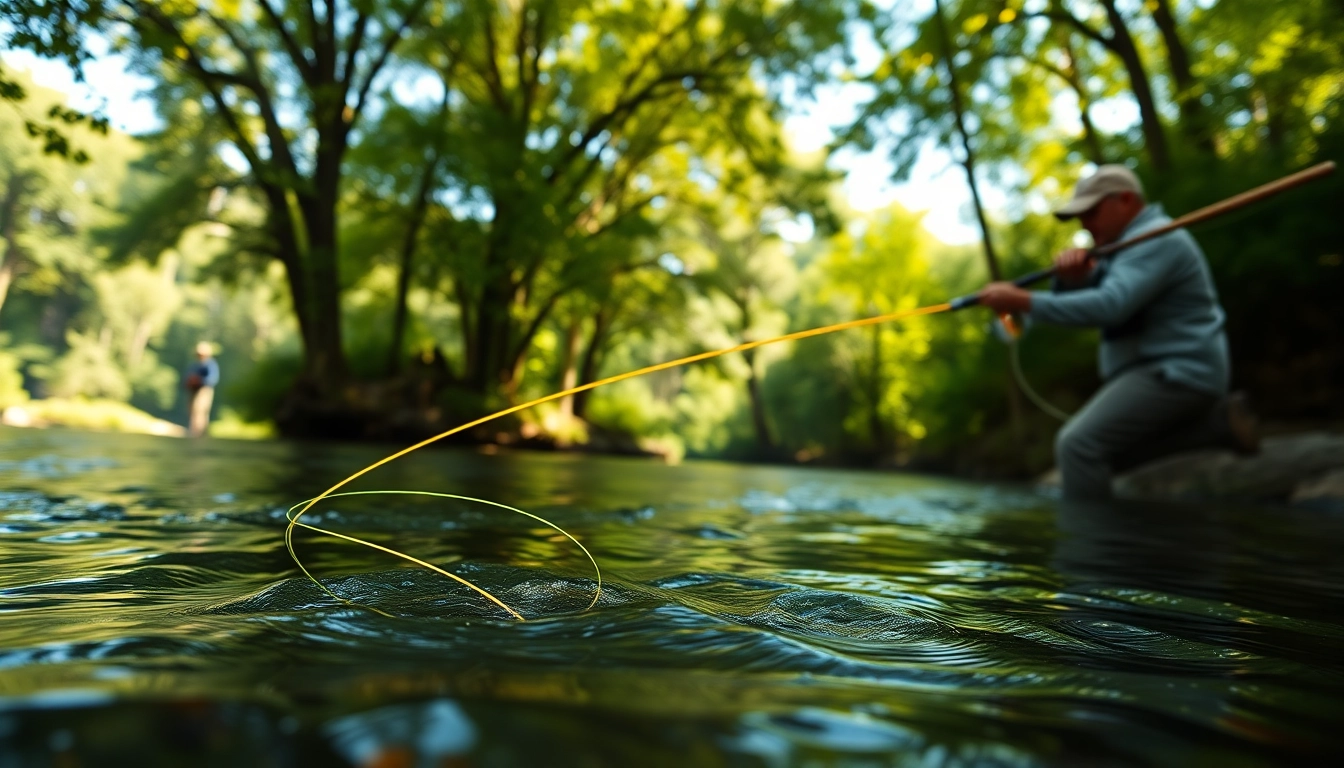
Understanding Fly Fishing Line: Basics and Importance
In the world of fly fishing, the line plays a pivotal role in delivering bait to fish effectively. The choice of fly fishing line can significantly influence your success on the water. Understanding the basics of fly fishing line, its structure, and its importance is essential for any angler looking to enhance their fishing experience. This guide will explore everything from the anatomy of fly fishing line to advanced techniques and common problems, providing you with a deep and practical understanding of this fundamental component of the sport.
The Anatomy of Fly Fishing Line
The anatomy of fly fishing line is unique and specifically designed to meet the challenges of fly fishing. It generally consists of three main parts: the core, coating, and taper. Understanding these components can help you appreciate how fly lines function and how to choose the right one for your needs.
- Core: The core provides strength and durability and is often made from materials like nylon or braided materials. It is the foundation that supports the entire line.
- Coating: The coating is responsible for the line's management in the water. It impacts the feel, floatability, and casting performance of the line. Different coatings can also influence the line's visibility in the water.
- Taper: Taper is the gradual narrowing of the line from the thickest part to the thinnest at the end. The taper affects how the line casts and performs, determining the line's loading characteristics and how the fly presents to the fish.
Types of Fly Fishing Line Explained
There are several types of fly fishing lines, each tailored for specific fishing scenarios. The most common types include:
- Floating Line: Ideal for water surfaces and shallow streams where fish are at or near the top.
- Sinking Line: Designed for deeper waters, this type sinks quickly, allowing the fly to reach greater depths.
- Sink-Tip Line: This hybrid line features a sinking tip that allows for versatility, providing access to both shallow and deep water.
- Intermediate Line: This line type sinks very slowly and is excellent for fishing in variable depths.
- Spey Line: Specifically designed for two-handed rod techniques used in bigger rivers.
Key Factors to Consider When Selecting
Choosing the right fly fishing line involves careful consideration of various factors, including:
- Type of Fishing: Each type of fishing (freshwater, saltwater, stream, lake) requires different line properties.
- Weight: Matching the fly line weight to the rod and the type of fly being used is crucial for optimal casting.
- Water Conditions: Assessing whether the fish will be in shallow or deep water helps determine whether a floating, sinking, or intermediate line is necessary.
- Weather Conditions: Windy conditions may require a heavier line for better casting efficiency.
Choosing the Right Fly Fishing Line for Different Conditions
Being effective in fly fishing requires adjusting your equipment to suit various environmental conditions. Choosing the right line can make all the difference in your success rate.
Matching Line Type to Water Environment
Matching the fly fishing line type to the water environment is critical. In fast-moving rivers, a sinking or sink-tip line can help the fly reach the fish amidst turbulent water. Conversely, in still waters like lakes where the fish tend to feed at the surface, a floating line is preferable.
How Weather Affects Your Fly Fishing Line Choices
Weather plays a significant role in fly fishing line selection. On windy days, a heavier line can help minimize line drift and allow for better control. Meanwhile, during cloudy or overcast situations, fish may come closer to surface levels, making floating lines a better option as they allow for more surface action.
Packaging and Density Considerations
The way a fly fishing line is packaged and its density can also affect performance. Highly buoyant lines typically come in cylindrical spools that protect them from obstructions. The density of the line can influence how it behaves in the water, working effectively with the buoyancy and flow of the current.
Advanced Techniques for Using Fly Fishing Line
Once you understand the basics of fly fishing lines, incorporating advanced techniques can greatly enhance your ability to catch fish effectively.
Perfecting Your Cast with the Right Line
Perfecting your cast depends significantly on the fly fishing line. The taper of the line should match the casting technique being used. For example, a double haul casting technique may benefit from a weight-forward line, as it aids in controlling line speed and distance. Practicing in different conditions enhances skill and adaptability.
Line Maintenance for Optimal Performance
To ensure peak performance of your fly fishing line, regular maintenance is essential. Cleaning the line after every use helps prevent dirt buildup which can negatively impact casting and line longevity. Proper storage, like using line containers or drying lines after use, also extends the life of the line.
Adjusting Tactics Based on Line Characteristics
Understanding line characteristics, such as stiffness or sensitivity, allows anglers to adjust their tactics effectively. A stiffer line may be better for greater casting distances, while a softer line could provide more feel and better presentations for delicate fishing situations.
Common Problems with Fly Fishing Line and Solutions
As with any fishing equipment, fly fishing lines can present various problems. Identifying and troubleshooting these issues is vital for an enjoyable fishing experience.
Dealing with Line Memory Issues
Line memory is a common issue where a line retains its coiled shape from being stored on a spool. This can result in tangling and improper casting. To alleviate line memory, consider stretching the line under tension during storage or applying heat from warm water to soften it.
Understanding Line Wear and Tear
Over time, fly fishing lines can wear down due to exposure to elements, abrasions against rocks, or repetitive casting. Regularly inspect the line for nicks or abrasions, replacing it when significant wear occurs to avoid losing your catch due to line failure.
Effective Troubleshooting Techniques
In the event of casting problems or line issues, having troubleshooting techniques at hand can save time and frustration. Diagnosing the problem through careful observation can help determine if the issue lies in the casting technique, line condition, or the fly itself. Taking notes during fishing trips and reviewing them post-usage enhances learning from each trip.
Enhancing Your Fly Fishing Experience
Incorporating the right fly fishing line into your gear can enhance your overall fishing experience significantly.
Combining Line with the Right Gear
The synergy between fly fishing line and other gear components, like the rod and reel, is crucial. Ensuring compatibility among these elements maximizes performance in casting techniques and fish attraction strategies. Recommendations from experienced anglers often help in fine-tuning gear combinations based on the scenarios you’ll encounter.
Fly Fishing Line Recommendations from Experts
As with many aspects of fishing, expert recommendations can provide valuable insights into choosing the right fly fishing lines. It can be helpful to observe the brands and types preferred by local guides or senior anglers, as they often experiment with a range of products and methods over time.
Measuring Performance: Knowing When to Upgrade
Lastly, knowing when to upgrade your fly fishing line is crucial for maintaining a competitive edge. Key performance indicators include casting distance, feel, and ability to deliver the fly accurately. If you find your current line is affecting your performance negatively, it may be time to consider a higher quality line that better fits your needs.