Understanding Types of Refrigerators
When it comes to modern kitchens, selecting the right refrigerator can significantly impact your cooking and food preservation experience. With numerous models available, each designed for different needs and styles, learning about the types of refrigerators and their unique features can be invaluable. Whether you're remodeling your kitchen or simply looking for a replacement, understanding the diverse options will appeal to various lifestyles and preferences. This guide delves into the most common types of refrigerators, offering insights to help you make an informed choice.
Standard Refrigerators
Standard refrigerators, often referred to as top-freezer models, are the most common type found in households. They typically consist of a freezer compartment on top and a larger refrigerator section below. One of the main appeals of standard refrigerators is their affordability and efficiency. Additionally, their design allows for easy organization and access to food items. With various storage configurations, they accommodate different preferences, whether you’re storing tall bottles or small leftovers.
French Door Refrigerators
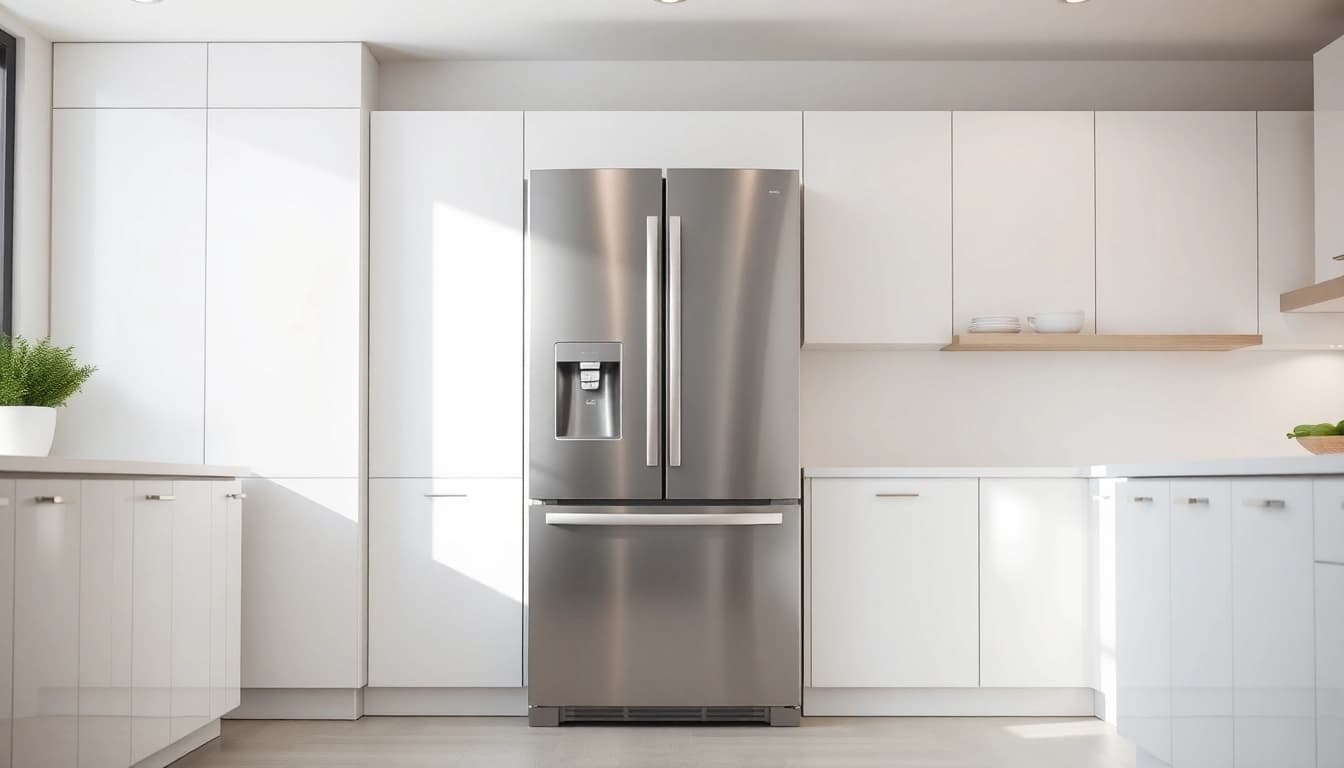
French door refrigerators have gained popularity in recent years for their stylish design and spacious interior. These models feature double doors for the refrigerator compartment that open to wide shelves, making it easy to store and access large items like cakes or pizza boxes. Additionally, the freezer is typically located at the bottom, often with pull-out drawers for organization. Their sleek aesthetics and advanced features, such as water dispensers and smart technology integration, make them an attractive choice for modern kitchens.
Compact Refrigerators
Compact refrigerators, also known as mini-fridges, provide a space-saving alternative for those with limited kitchen space or those who need supplementary refrigeration. They are ideal for dorm rooms, offices, or small apartments. Despite their smaller size, many compact refrigerators come equipped with shelves and compartments that maximize storage efficiency. They're perfect for storing snacks, beverages, or meal prep items without requiring the same footprint as standard models.
Key Features to Consider When Buying a Refrigerator
Investing in a new refrigerator requires careful consideration of various features to ensure it meets your household's needs. Beyond aesthetics, functionality and efficiency play pivotal roles in your choice. Here are some key features to consider when purchasing your Refrigerator.
Energy Efficiency Ratings
Energy efficiency is a crucial factor when selecting a refrigerator. Look for models with the ENERGY STAR label, indicating they meet strict energy efficiency guidelines set by the U.S. Environmental Protection Agency. Energy-efficient models not only reduce environmental impact but also save you money on utility bills over time. Assess the estimated annual operating cost to gauge potential long-term savings.
Storage Capacity
Storage capacity will vary according to your household's size and eating habits. When choosing a refrigerator, consider how much grocery storage you require, along with additional features like adjustable shelves and door bins that enhance flexibility. Generally, a refrigerator should provide about 4 to 6 cubic feet of space for each household member. Ensure that the layout allows for easy organization of various items, so everything remains accessible.
Cooling Technology Innovations
Modern refrigerators often come equipped with advanced cooling technologies that enhance food preservation. Features like humidity-controlled crisper drawers, dual cooling systems, and air filtration systems can effectively extend the freshness of your food. Additionally, some refrigerators now incorporate smart technology to monitor temperature and humidity levels, notifying you of necessary adjustments via mobile apps. Exploring these innovations can significantly improve food storage efficiency.
How to Maintain Your Refrigerator for Longevity
To ensure the longevity and efficiency of your refrigerator, regular maintenance is essential. Simple care practices can prevent common issues, saving you from costly repairs or replacements. Here are some tips for maintaining your refrigerator effectively.
Regular Cleaning Tips
Keeping your refrigerator clean is paramount for health and functionality. Start with a regular decluttering of expired items and spills. Use a gentle cleaning solution to wipe down shelves, walls, and the exterior. Additionally, clean the coils at the back or beneath your fridge to maintain optimal cooling efficiency. Checking the seal on the door can also prevent cool air from escaping, contributing to energy waste.
Temperature Settings and Management
It’s essential to maintain the correct temperature for food safety. The refrigerator compartment should stay between 37°F and 40°F, while the freezer should remain at 0°F. Regularly check the temperature settings and use an appliance thermometer for accuracy. Proper temperature regulation helps prevent food spoilage and bacterial growth, ensuring the safety of your stored items.
Common Maintenance Issues
Being aware of common issues can help you troubleshoot early. For instance, if you notice excess frost in the freezer, improper sealing or a malfunction may be the cause. Strange noises may indicate wear and tear on the compressor or fan. Regularly check and replace the water filter if you have a water dispenser system, as this ensures that your water stays fresh and clean.
Understanding Refrigerator Costs and Budgeting
Understanding the various costs associated with refrigerator purchases can help you manage your budget effectively. Not only should you consider the initial purchasing price, but also the long-term implications for your household expenses.
Initial Purchase Price Considerations
The price range for refrigerators can be vast, depending on type, size, and features. On average, a standard refrigerator can range from $600 to $1,200, while more premium models, like French door refrigerators, can range significantly higher. Be sure to assess the value of additional features that justify the expense, especially if they align with your needs.
Long-Term Energy Costs
Beyond the initial purchase price, recognize that energy costs can have a significant impact on your overall budget. Estimate the annual energy consumption based on the model's efficiency ratings. Over the lifetime of your refrigerator, these expenses can add up, making energy-efficient models a potentially more economical choice in the long run.
Warranty and Service Plans
Consider whether to invest in a warranty or service plan when purchasing your refrigerator. Understand the manufacturer's warranty, which typically covers defects and major repairs for a set time. An extended service plan can provide peace of mind but consider whether the potential costs justify the coverage for your specific needs.
FAQs About Refrigerators
What is the average lifespan of a refrigerator?
The average lifespan of a refrigerator is typically between 10 to 20 years, depending on usage and maintenance. Proper care can extend its functionality well beyond this range.
How do I choose the right size refrigerator?
Choosing the right size depends on your family size, kitchen space, and cooking habits. Consider the volume of groceries you typically store and ensure you have enough capacity to meet your needs.
What features enhance energy efficiency in a refrigerator?
Look for features such as ENERGY STAR ratings, adjustable shelves, efficient compressors, and improved insulation. These enhancements can significantly improve energy efficiency.
Can a refrigerator be repaired, or should I replace it?
Assess the cost of repairs versus the age and overall condition of your refrigerator. If repairs are more costly than a replacement or the fridge is over 10 years old, replacement is often advisable.
What maintenance is needed for a refrigerator?
Regular maintenance includes cleaning coils, replacing filters, managing temperatures, and checking seals. Routine care helps maintain efficiency and extends the lifespan of your refrigerator.