The Role of Professional Video Editors
In today's digital world, video content has become a significant communication medium for businesses, creatives, and influencers alike. The demand for professional video editors is skyrocketing as organizations strive to convey their messages more engagingly. From social media clips to corporate training videos and blockbuster films, professional video editors play a vital role in shaping the success of video content.
1. Understanding Video Editing Fundamentals
Video editing is the process of manipulating and rearranging video footage to create a new, polished final product. This process typically incorporates a range of tasks, such as cutting, sequencing, adding effects, and enhancing audio. At its core, video editing is about storytelling—taking raw footage and shaping it into something that captivates and informs the audience.
2. Key Responsibilities in Video Production
Professional video editors are responsible for several essential tasks in the video production process. These responsibilities include:
- Editing Footage: Cutting down raw footage, selecting the best takes, and creating a narrative flow.
- Sound Design: Syncing audio tracks with the video and enhancing sound quality through various editing techniques.
- Color Grading: Adjusting colors and tones to enhance the visual appeal of the footage, ensuring it aligns with the desired mood and style.
- Adding Visual Effects: Incorporating graphics, titles, and transitions to elevate the storytelling and presentation quality.
- Final Deliverables: Rendering the completed project in the desired format, whether for online platforms, broadcast television, or film.
3. The Importance of Storytelling in Editing
Storytelling in video editing goes beyond mere cuts and transitions. It involves understanding the narrative arc, pacing, and emotional beats of the content. Editors must craft a visual story that resonates with viewers, creating a cohesive and engaging experience. This requires empathy, allowing editors to make choices that will impact how audiences connect with the material.
Essential Skills for Professional Video Editors
1. Technical Proficiency in Editing Software
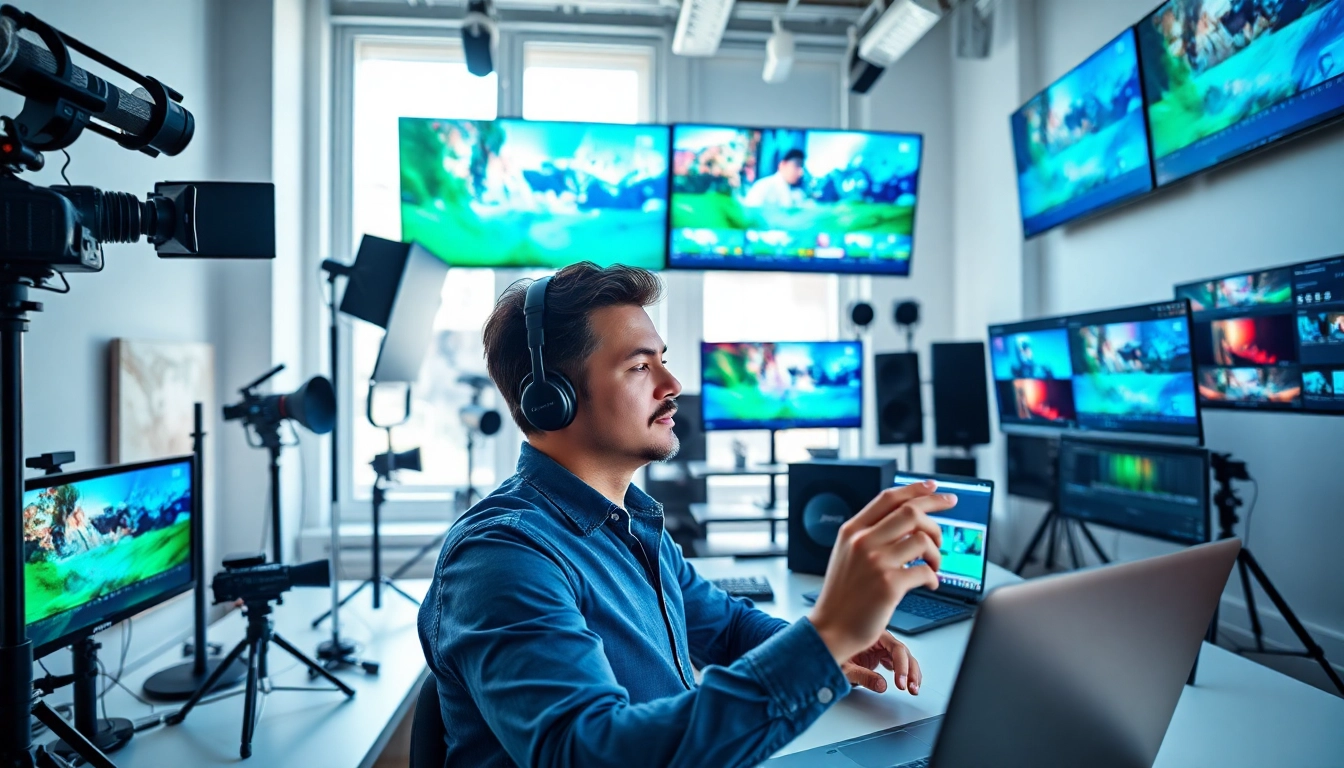
In the digital age, proficiency in advanced editing software is non-negotiable for professional video editors. Familiarity with industry-standard tools like Adobe Premiere Pro, Final Cut Pro, and DaVinci Resolve is crucial. These platforms offer a range of features that editors can leverage, including timeline editing, multi-track sequences, audio mixing, and more. Continuous learning through online tutorials, webinars, and workshops can help editors stay updated with new software features and trends.
2. Creative Skills: Visual and Sound Design
Creativity is a cornerstone of successful video editing. Editors must have an eye for visual composition which involves understanding artistic principles such as balance, contrast, and focus. Similarly, sound design plays an integral role in a video’s impact. Professionals should know sound mixing, audio effects, and how sound can enhance storytelling, significantly influencing viewer engagement.
3. Communication and Collaboration in Teams
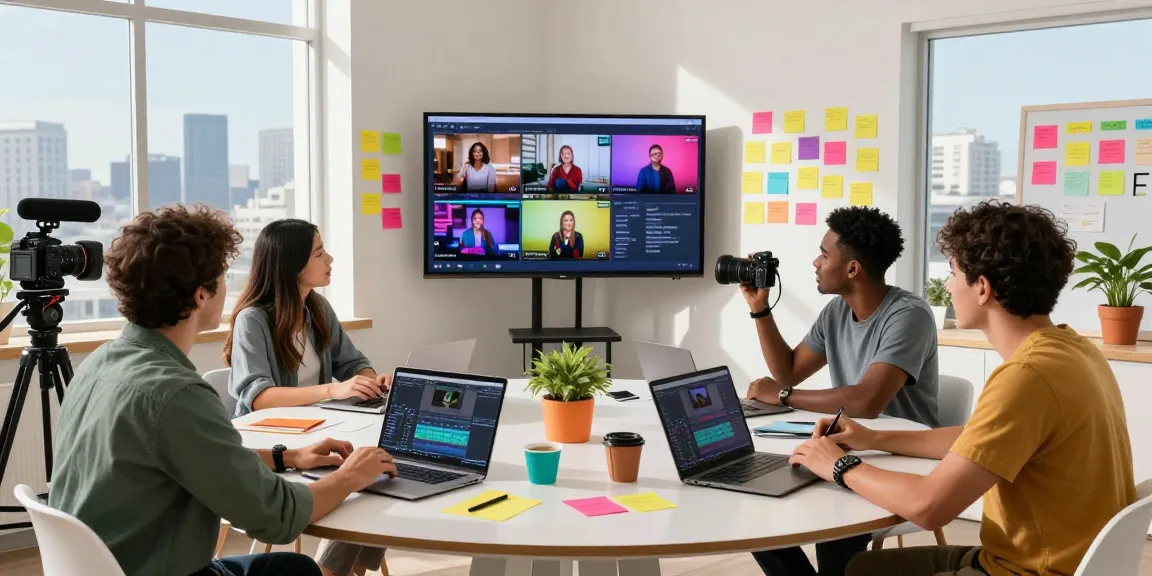
Video editing often takes place within a larger team of creatives, including directors, producers, and cinematographers. Effective communication is essential to ensure that the editor understands the project's vision and can realize it through the final cut. This collaboration fosters the sharing of ideas and constructive feedback, leading to improved project outcomes.
Finding a Professional Video Editor
1. Where to Hire Professional Video Editors
There are numerous avenues to locate and hire professional video editors. Freelance platforms like Upwork and Fiverr offer access to a vast pool of editors with various specializations and price points. Networking through social media and filmmaker communities can also yield valuable connections. Additionally, agencies that specialize in video production often have experienced editors on staff, providing a more comprehensive choice for companies seeking hassle-free solutions.
2. Evaluating Qualifications and Experience
When hiring a video editor, it’s crucial to evaluate their qualifications and experience. Look for a portfolio that showcases their previous work, paying attention to the style and types of projects they’ve worked on. Additionally, consider their educational background and technical skills relevant to your specific needs. Conducting interviews can help gauge their communication skills and compatibility with your project vision.
3. Budgeting for Professional Video Editing Services
Understanding the cost of video editing is essential for budgeting purposes. Rates can vary widely based on experience, project complexity, and geographical location. For basic editing, prices might range from $1.25 to $10 per minute, while professional editing can range from $10 to $50 per minute, and advanced editing can exceed $50. Establishing a clear budget and discussing it upfront with potential editors is advisable to avoid misunderstandings during the project.
Staying Current in the Video Editing Industry
1. Trends Affecting Professional Video Editors
The video editing landscape is continuously evolving with new trends and technologies. For example, the rise of AI in video editing offers predictive editing, automated edits, and more efficient workflows. Additionally, formats like 360-degree video and virtual reality are reshaping how stories are told. Staying ahead of these trends requires commitment to ongoing education and professional development.
2. Continuous Learning and Development
Professional video editors must prioritize continuous learning to remain competitive. Engaging in online courses, attending industry conferences, and following thought leaders in the field can provide insights into new techniques and tools. Experimenting with various styles and methods can further enhance an editor's skill set and versatility.
3. Networking for Career Growth
Networking is invaluable for career advancement in the video editing industry. Joining professional organizations, participating in workshops, and engaging in online forums can connect editors with peers and established professionals. These interactions can lead to collaborative projects, mentorship opportunities, and potential job placements, making networking an essential component of career development.
Measuring the Impact of Professional Video Editors
1. Analyzing Project Success and Viewer Engagement
The impact of professional video editors can be measured in various ways, including project success and viewer engagement. Metrics to consider may include viewer retention rates, comments, shares, and overall audience reach. Evaluating these metrics post-project can provide insights into the effectiveness of editing decisions and narrative choices.
2. Tools for Evaluation and Feedback
Several tools can facilitate the evaluation process, such as analytics platforms that provide data on viewer interactions and engagement metrics. Editors can also seek direct feedback from clients and audience members to understand their perspectives and gather constructive criticism, which can guide future editing projects.
3. Future Opportunities for Video Editors
As the demand for video content continues to rise, opportunities for professional video editors are expanding. Beyond traditional editing roles, editors can explore avenues in content creation for YouTube and social media, advertising agencies, and virtual reality production. Additionally, editors can leverage their skills to create courses, offer consulting services, or even become content creators themselves, further diversifying their careers.