What is Drayage and Its Importance?
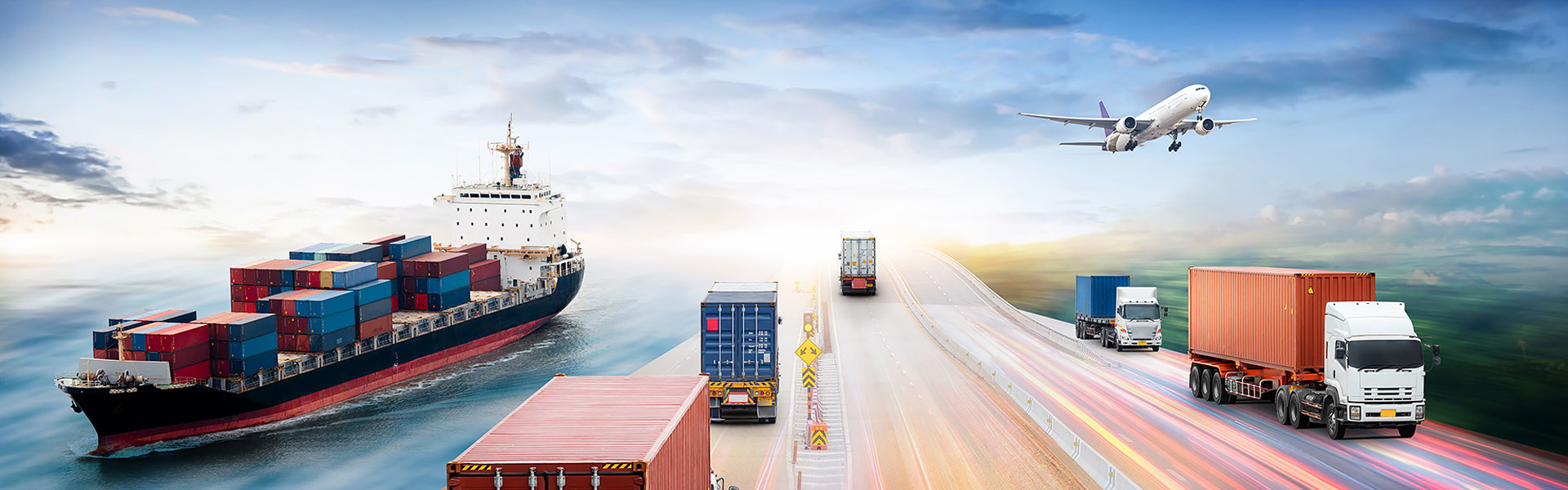
Drayage refers to the transportation of shipping containers by truck over short distances. While it may seem like a simple logistical task, it plays a critical role in the overall supply chain process. Drayage involves moving freight a short distance, often between shipping ports and warehouses or rail yards and is frequently a component of a longer shipping process. Understanding drayage is essential for businesses involved in logistics, especially as they look to streamline their supply chain and enhance efficiency.
Defining Drayage and Its Role in Logistics
Drayage is defined as the transport of goods by truck for short distances, typically less than 50 miles. This process typically entails picking up shipping containers from ports or rail yards and dropping them off at distribution centers or warehouses. Drayage acts as a bridge between freight modes (such as ocean and rail) and is crucial for ensuring that goods reach their final destination promptly. Without effective drayage services, the entire supply chain could face delays, leading to increased costs and dissatisfied customers.
Importance of Drayage in Supply Chain Management
In an increasingly interconnected world, drayage services have become paramount in supply chain management. The efficiency of drayage operations can significantly impact delivery times, costs, and customer satisfaction. Here are a few key reasons why drayage is vital:
- Timeliness: Fast and reliable drayage ensures timely delivery of goods, which is essential in today’s fast-paced market.
- Cost Control: By reducing delays in the transportation process, companies can control their shipping costs more effectively.
- Flexibility: Drayage services provide the flexibility needed to adapt to changing delivery schedules and demands.
Common Myths About Drayage Explained
Despite its importance, many myths surround drayage. Here are some common misconceptions:
- Myth #1: Drayage is just about moving goods from point A to B.
- Myth #2: Drayage services are interchangeable with regular trucking services.
- Myth #3: Drayage is straightforward and doesn’t require special expertise.
Understanding these myths is crucial for businesses looking to optimize their logistics operations.
Types of Drayage Services
Port Drayage: Connecting Sea and Land
Port drayage is the most common type of drayage service. It involves transporting shipping containers from ports to warehouses or distribution centers. Given that many goods move internationally, port drayage is essential in ensuring that imported goods are moved efficiently from ships to their next destination.
Intermodal Drayage: Bridging Different Transportation Modes
Intermodal drayage is designed to connect different transportation modes. It frequently involves moving containers between ports, rail yards, and road transport. This type of drayage is instrumental in facilitating intermodal transport that integrates trucks, trains, and ships.
Dedicated Drayage Services: Custom Solutions for Businesses
Dedicated drayage services cater to specific business needs. Companies may choose dedicated drayage to meet tailored logistics requirements, which could include scheduled pickups, special handling needs, or consistent shipping routes. These custom solutions can enhance efficiency and address unique industry demands.
Challenges in Drayage Operations
Traffic and Infrastructure Issues Affecting Drayage
One of the significant challenges faced by drayage operations is traffic congestion and inadequate infrastructure. Major ports often suffer from heavy traffic, leading to delays and increased operational costs. Organizations must strategically navigate these challenges by choosing optimal delivery times and routes to minimize delays.
Environmental Concerns and Sustainability in Drayage
With growing awareness around environmental issues, the drayage industry is under increasing pressure to adopt sustainable practices. Initiatives to reduce emissions and waste in drayage operations are becoming essential as companies aim to improve their environmental footprint. Investing in fuel-efficient vehicles and adopting technology for route optimization can help mitigate environmental impact.
Cost Factors in Drayage Services
Cost management is another critical challenge in drayage. Factors such as fuel prices, labor costs, tolls, and port fees can significantly affect overall costs. Businesses must understand these variables and develop strategies to optimize costs, such as negotiating contracts or employing technology for better routing and scheduling.
Best Practices for Optimizing Drayage
Strategic Route Planning for Efficiency
Effective route planning is vital for minimizing delays and avoiding congested areas. By utilizing route optimization software, businesses can analyze traffic patterns and select the best routes for their drayage operations. Additionally, staying updated on road conditions and busy port schedules can further enhance efficiency.
Leveraging Technology in Drayage Operations
Incorporating technology into drayage operations can drive significant improvements. Advanced software solutions can automate scheduling and tracking, providing real-time visibility throughout the shipping process. Adopting ELDs (Electronic Logging Devices) can help manage drivers’ hours of service, leading to more efficient transportation.
Collaboration Between Stakeholders: Importers, Carriers, and Ports
Collaboration among stakeholders can dramatically enhance drayage efficiency. Open communication between importers, carriers, and port operators fosters partnerships that streamline the logistics process. Regularly engaging in meetings to discuss challenges, share insights, and propose solutions can yield benefits for all parties involved.
The Future of Drayage
Trends Shaping the Drayage Industry
As the logistics landscape continues to evolve, several trends shape the future of drayage. E-commerce growth accelerates demand for rapid delivery solutions, compelling stakeholders to innovate their drayage operations. Additionally, sustainability initiatives push the industry toward greener practices, emphasizing the need for eco-friendly technologies.
The Impact of E-commerce on Drayage Services
E-commerce has revolutionized consumer expectations regarding delivery speed and efficiency. The surge in online shopping translates to higher demand for drayage services, necessitating an adaptive and agile approach from companies. Businesses need to enhance their capacity for quicker turnarounds to meet these growing demands effectively.
Innovative Solutions and Technologies on the Horizon
The future of drayage is poised for several technological innovations, including the integrated use of AI for predictive analytics, allowing logistics providers to anticipate demand fluctuations and optimize their operations accordingly. Additionally, the rise of autonomous trucking technology raises questions about how the drayage landscape will shift in terms of labor and operational efficiency.