Introduction to Metal Roofing
What is Metal Roofing?
Metal roofing refers to roofing systems made of metal pieces or tiles. Several materials can be utilized in metal roofs, including steel, aluminum, copper, and zinc. Each type of metal comes with its unique set of benefits and aesthetic appeal. Metal roofing offers various styles that suit both residential and commercial buildings, making it a versatile choice for homeowners and builders alike. Moreover, it is gaining popularity for its modern appeal and longevity compared to traditional roofing materials.
Why Choose Metal Roofing?
Choosing metal roofing comes with a multitude of advantages. One compelling reason to opt for metal roofing is its durability. When properly installed, metal roofs can last 50 years or more, substantially outlasting traditional asphalt shingles. Additionally, metal roofing is known for its resistance to harsh weather conditions, fire, and pests. Importantly, homeowners looking for energy savings will appreciate that many metal roofing options are designed to reflect sunlight, thereby reducing cooling costs in the warmer months. To explore various benefits and find the right solutions for your property, consider researching metal roofing options that cater to your specific needs.
Common Misconceptions
Despite its growing popularity, several misconceptions surround metal roofing. One of the most prevalent myths is that metal roofs are excessively noisy during rain or hail. In reality, a properly installed metal roof integrated with insulation will reduce noise significantly. Another common misconception is that metal roofs attract lightning. In fact, they are no more likely to attract lightning than any other roofing materials. Understanding these misconceptions helps homeowners make informed decisions regarding their roofing choices.
Types of Metal Roofing
Panel Styles and Features
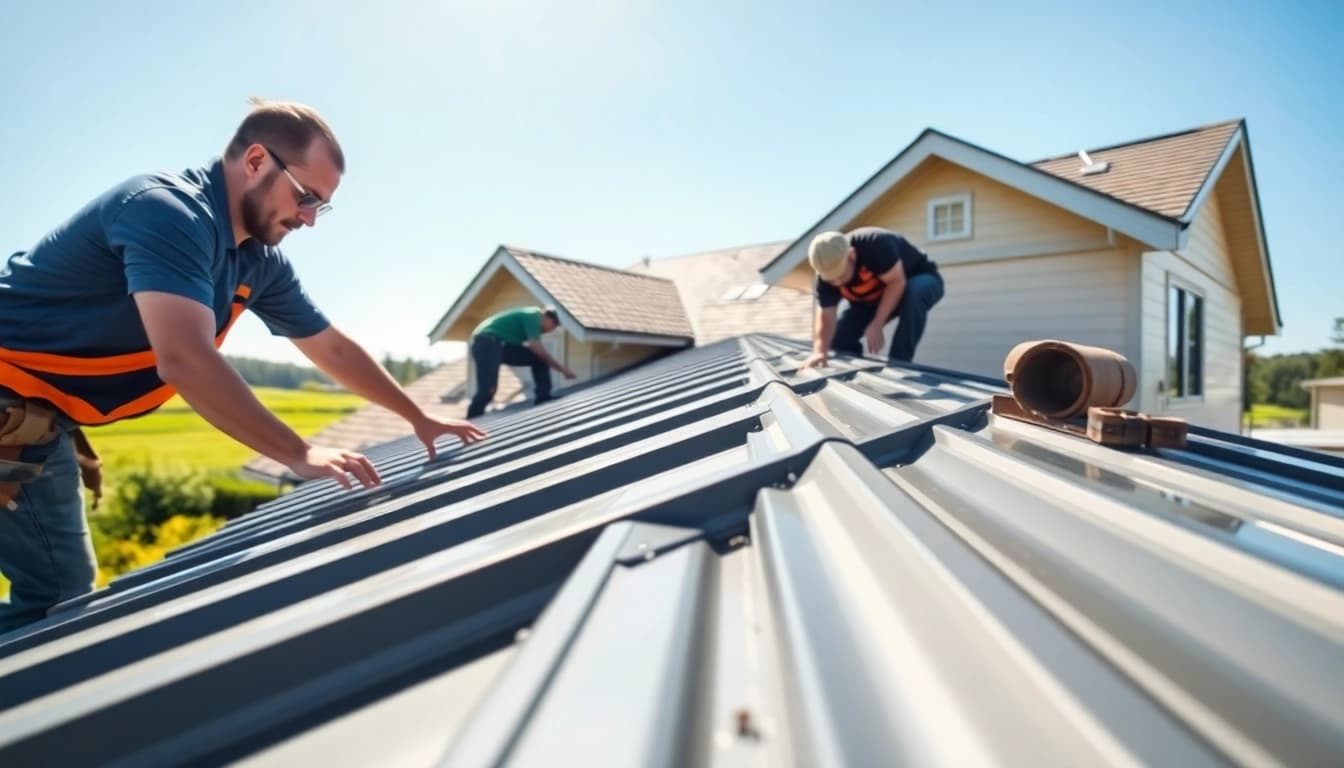
Metal roofing systems come in various panel styles, allowing homeowners to match their roofing choice with their architectural style. Some common panel styles include standing seam panels, corrugated sheets, and metal shingles. Standing seam roofing features vertical panels that interlock, providing an aesthetically pleasing look as well as added durability. Conversely, corrugated metal roofing is known for its wave-like pattern, and is often more prevalent in agricultural and industrial buildings. Meanwhile, metal shingles mimic the appearance of traditional roofing materials like slate or tile, offering homeowners a classic look with modern durability.
Material Options Available
Different materials used in metal roofing come with distinct advantages. Steel, often coated with a protective finish, is a popular choice due to its strength and cost-effectiveness. Aluminum roofing, while lightweight and resistant to corrosion, tends to be more expensive but offers an aesthetically pleasing finish. Copper, on the other hand, provides an elegant appearance and is highly durable, often developing a distinctive patina over time. Zinc is another attractive option, known for its longevity and self-healing properties, making it resistant to corrosion and wear.
Comparative Analysis
When comparing metal roofing materials, it is essential to evaluate factors such as cost, durability, and aesthetic appeal. Steel, while budget-friendly, might require regular maintenance to prevent rust. Aluminum's resistance to corrosion justifies its higher price point, ideal for coastal environments. Copper’s elegance comes with a significant price tag, but its longevity and low maintenance can be worth the investment. Zinc's unique properties make it a compelling choice for those looking for sustainability and durability. Thus, each metal roofing option presents specific advantages suited to different climates, budgets, and aesthetic preferences.
Benefits of Metal Roofing
Durability and Longevity
One of the most significant benefits of metal roofing is its durability. Unlike traditional roofing materials, metal roofs can endure extreme weather conditions, from heavy rains and snow to high winds and hail. This resilience means fewer repairs and replacements, which translates to lower long-term costs. Metal roofs are also resistant to pests, including termites and mold, further enhancing their lifespan. This longevity is especially beneficial for homeowners, as it reduces the need for frequent roof replacements and maintenance.
Energy Efficiency Advantages
Metal roofing systems are recognized for their energy-efficient properties. Many metal roofs are designed with reflective coatings that bounce back sunlight, reducing heat absorption within the home. This characteristic can significantly lower energy costs during hot summer months. Additionally, metal roofing systems provide excellent insulation, ensuring that homes remain cool in the summer and warm in the winter. The result is a reduced energy bill and a more environmentally friendly property, as less energy consumption contributes to lower carbon emissions.
Environmental Considerations
In an increasingly eco-conscious world, metal roofing offers significant environmental benefits. Many metal roofs are manufactured using recycled materials and are themselves fully recyclable at the end of their life cycle. This makes them a sustainable choice for homeowners looking to reduce their environmental footprint. Additionally, metal roofing can help reduce urban heat island effects, contributing to cooler cities and minimizing the need for air conditioning in homes. With energy savings and recyclability, metal roofing aligns well with modern sustainability goals.
Installation Process of Metal Roofing
Preparation and Planning Steps
Successfully installing a metal roof requires careful planning and preparation. Initially, homeowners should assess their current roofing situation, determining whether a replacement is necessary or if a metal roof can be installed over an existing roof. Consultation with a professional is often advisable at this stage to understand local building codes and regulations. The planning phase should also involve choosing the right materials, panel styles, and colors, ensuring that they fit both the aesthetic preferences and functional requirements of the building.
Essential Tools Required
A comprehensive set of tools is necessary for a successful metal roofing installation. Key tools include a power drill, metal snips, a measuring tape, a chalk line, and safety gear such as gloves and goggles. Additionally, specific fasteners, seams, and flashing are required to secure the roofing panels. Proper equipment makes the installation process more efficient and ensures a secure, long-lasting roof.
Professional Installation vs. DIY
While some homeowners may opt for a DIY approach to metal roofing installation, hiring a professional is often the wiser choice. Professionals bring experience and expertise that can help avoid common pitfalls during installation. Moreover, proper installation is crucial for warranty purposes and can prolong the roof's lifespan. For those who choose to go the DIY route, thorough research and careful planning are paramount to ensure a successful outcome.
Maintenance and Care for Metal Roofing
Regular Inspection Tips
Regular inspections are vital for maintaining the integrity of metal roofing. Homeowners should check for signs of rust, loose panels, or damaged sealants at least twice a year. After severe weather events, including heavy snow or storms, inspections should be conducted to assess any potential damage. Early detection of issues helps prevent costly repairs and maintains the roof's longevity.
Cleaning Advice for Longevity
To ensure the longevity of metal roofing, routine cleaning is essential. It's recommended to remove debris, such as leaves and branches, regularly to prevent water buildup and potential mold growth. Use a gentle detergent and a soft brush for cleaning the surface without scratching it. Be cautious while walking on the roof and always prioritize safety by using appropriate harnesses and gear.
Dealing with Common Issues
Despite its durability, metal roofing can face common issues such as rust, leaks, and scratches. Addressing rust early through periodic inspections and touch-ups can prolong the roof's life. Leaks often arise from improperly sealed seams or fasteners; re-sealing these areas can often resolve the problem effectively. Minor scratches can be addressed with touch-up paint, maintaining the roof's aesthetic and protective qualities.
FAQs About Metal Roofing
1. How long does a metal roof last?
Metal roofs can last 40 to 70 years, depending on the material and maintenance practices. Their longevity surpasses that of traditional roofing options.
2. Are metal roofs energy-efficient?
Yes, metal roofs are energy-efficient as they reflect solar heat, reduce energy costs, and help maintain comfortable indoor temperatures.
3. Do metal roofs get noisy during rain?
No, with proper installation and insulation, metal roofs effectively manage sound, reducing noise from rain and hail significantly.
4. Can metal roofs be installed over existing shingles?
Yes, metal roofs can often be installed over existing roofs, provided they meet local building codes and structural integrity requirements.
5. Are metal roofs recyclable?
Yes, metal roofs are recyclable, making them an environmentally friendly option that aligns with sustainability goals.