Understanding Structural Steel Fabrication
Structural steel fabrication is a critical process in the construction industry, encompassing the transformation of raw steel into functional components used in various structures. Through precise techniques, it turns steel beams, columns, plates, and tubes into reliable structural elements. This process is essential for ensuring the integrity and durability of buildings, bridges, and other infrastructure. By delving into the complexities of structural steel fabrication, we can uncover its essential components, methodologies, benefits, and challenges.
Definition of Structural Steel Fabrication
Structural steel fabrication refers to the comprehensive process of cutting, shaping, and assembling steel materials into the required sizes and shapes for various construction applications. It involves transforming raw steel into finished components that meet stringent standards and specifications. The aim of this process is to create strong, durable, and resilient structures capable of supporting loads and withstanding environmental stresses.
Key Components Involved in the Process
The structural steel fabrication process relies on several key components, including:
- Materials: High-quality steel is vital for ensuring structural integrity and performance.
- Machinery: Cutting-edge tools and equipment, such as laser cutters, welding machines, and CNC machines, are essential for precision fabrication.
- Workforce: Skilled laborers equipped with the knowledge and expertise in metalworking techniques play a pivotal role in the fabrication process.
- Design and Engineering: Detailed blueprints and specifications from architects and engineers guide the fabrication process, ensuring compliance with safety and building codes.
Common Applications and Uses
Structural steel is widely used across various industries due to its strength and versatility. Common applications include:
- Commercial Buildings: Framework for skyscrapers, office buildings, and shopping centers.
- Infrastructure: Bridges, highways, and railways depend on robust structural steel components.
- Industrial Facilities: Factories and warehouses often utilize structural steel for frameworks and support systems.
- Residential Construction: Increasingly popular for modern homes, providing strength and aesthetic appeal.
The Structural Steel Fabrication Process Explained
Preparation: Materials and Planning
The first step in the structural steel fabrication process is meticulous planning and preparation. This phase includes the selection of appropriate materials based on the specifications and requirements of the project. Factors such as the type of steel, its characteristics, and how it will be used must be considered. Additionally, engineers prepare detailed plans and drawings that dictate the exact dimensions and specifications to which the steel must be fabricated.
Techniques: Cutting, Bending, and Welding
Once materials are prepared, several techniques are employed to shape the steel:
- Cutting: Techniques vary from traditional saw cutting to advanced methods like laser cutting and waterjet cutting. Each method is selected based on the required precision and the thickness of the steel.
- Bending: Bending equipment shapes steel into required angles and curves, enhancing its functionality within the overall design.
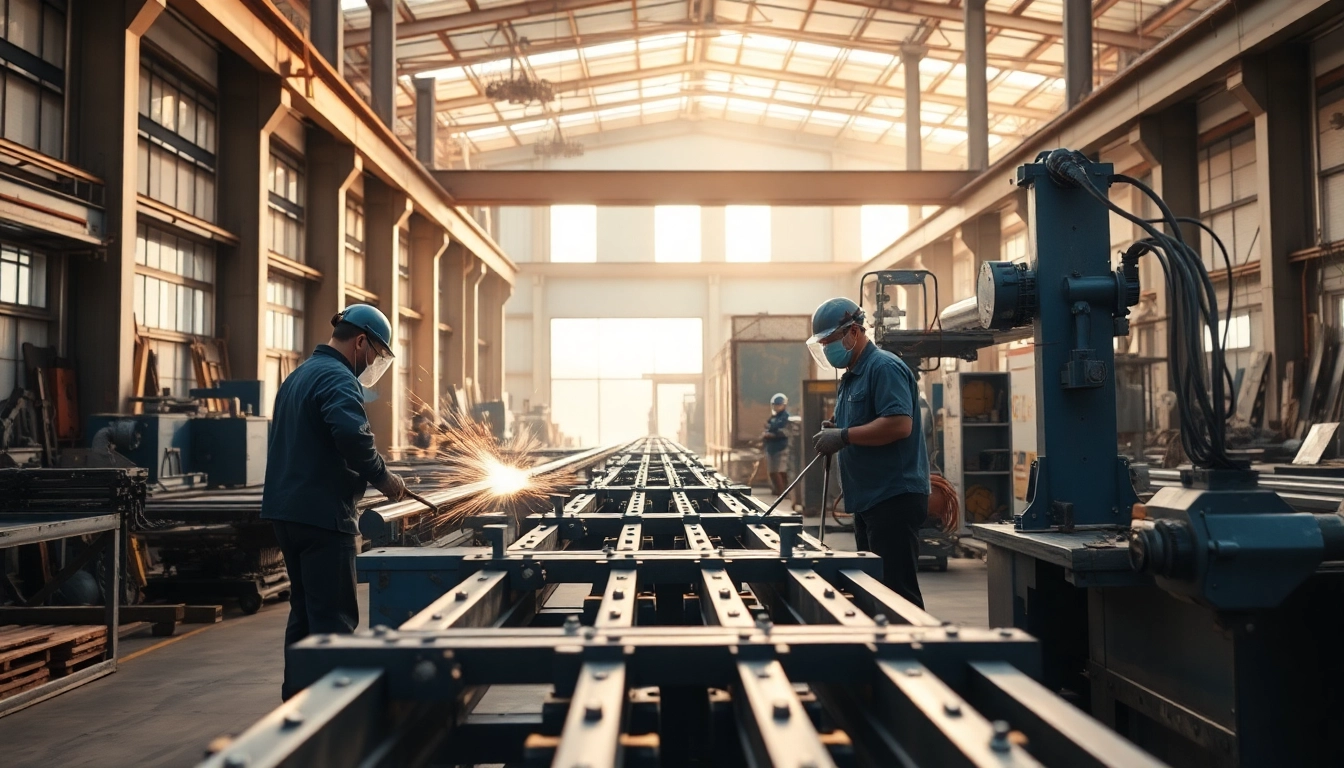
- Welding: This crucial step involves joining two or more pieces of steel using various welding techniques, ensuring that joints are strong and capable of bearing expected loads.
Assembling Structural Elements
After the individual components are fabricated, the assembly process begins. This step may take place in the factory or on-site, depending on the project requirements. Proper assembly is critical to achieving the specified structural integrity. Fabricators must ensure that all connections are secure and comply with safety standards. This phase also includes rigorous inspections to identify any defects or weaknesses in the fabrication.
Benefits of Structural Steel Fabrication
Cost-Effectiveness and Efficiency
One of the most significant advantages of structural steel fabrication is its cost-effectiveness. Compared to other materials, steel offers a high strength-to-weight ratio, allowing for lighter structures that require less material without compromising strength. The efficiency of pre-fabrication techniques means that projects can progress more quickly, reducing labor costs and overall project timelines.
Structural Integrity and Durability
Structures built with high-quality steel are known for their durability and longevity. Structural steel can withstand extreme weather conditions, earthquakes, and other environmental challenges. Its resilience ensures that buildings maintain structural integrity over time, reducing the need for costly repairs or reinforcements.
Flexibility in Design and Customization
Structural steel fabrication offers immense flexibility in design. Fabricators can create highly customized components tailored to unique project specifications. This adaptability allows architects and engineers to explore creative designs without fearing structural compromise, resulting in aesthetically pleasing and functional buildings.
Challenges in Structural Steel Fabrication
Managing Costs and Labor
While structural steel fabrication presents numerous benefits, it also faces challenges, particularly in cost management. Fluctuations in steel prices, labor shortages, and increased operational costs can impact project budgets. Companies must implement effective planning and resource management strategies to mitigate these concerns.
Quality Control in Fabrication
Ensuring consistent quality throughout the fabrication process is paramount. Any defects in the fabrication can lead to significant safety hazards. Therefore, companies must establish thorough quality control processes, including regular inspections and testing of materials and welds. Compliance with industry standards and regulations is also crucial to maintaining quality.
Adapting to Market Demand
The structural steel fabrication industry must remain agile in response to changing market demands. Fluctuating construction activities or shifts toward sustainable materials require fabricators to adapt quickly. Staying informed about market trends allows companies to make proactive adjustments in their operations.
The Future of Structural Steel Fabrication
Technological Advancements in the Industry
The future of structural steel fabrication is being shaped by technological advancements. Automation and robotics are enhancing precision and efficiency in fabrication processes. Innovations such as 3D printing and virtual reality are also anticipated to revolutionize design capabilities and project visualization, making the fabrication process more effective and creative.
Market Trends and Growth Projections
As construction continues to evolve, the structural steel fabrication market is projected to grow. Trends indicate that sustainable practices and materials will become increasingly prominent, influencing the types of projects undertaken. Companies that adopt modern fabrication methods and sustainability principles are expected to thrive in this competitive landscape.
Environmental Considerations and Sustainability
There is a growing emphasis on sustainability within the construction industry. Fabricators are exploring ways to reduce waste, recycle materials, and implement environmentally friendly practices throughout the fabrication process. Commitment to sustainability not only improves the industry's environmental footprint but can also lead to cost savings and a positive public image.
Frequently Asked Questions
What is structural steel fabrication?
Structural steel fabrication is the process of converting raw steel into finished components, such as beams and columns, utilizing methods like cutting, bending, and welding.
Why is quality control important in steel fabrication?
Quality control ensures that structural components meet safety standards and specifications, preventing potential hazards and costly failures in construction.
How does structural steel compare with other materials?
Structural steel offers superior strength-to-weight ratios, durability, and flexibility compared to materials like wood or concrete, making it ideal for modern construction.
What are common applications of structural steel?
Common applications include commercial buildings, bridges, industrial facilities, and residential structures, all utilizing steel for strength and longevity.
What trends are shaping the future of steel fabrication?
Trends include technological advancements in automation, a focus on sustainability, and growing market demand for innovative design solutions in construction.