
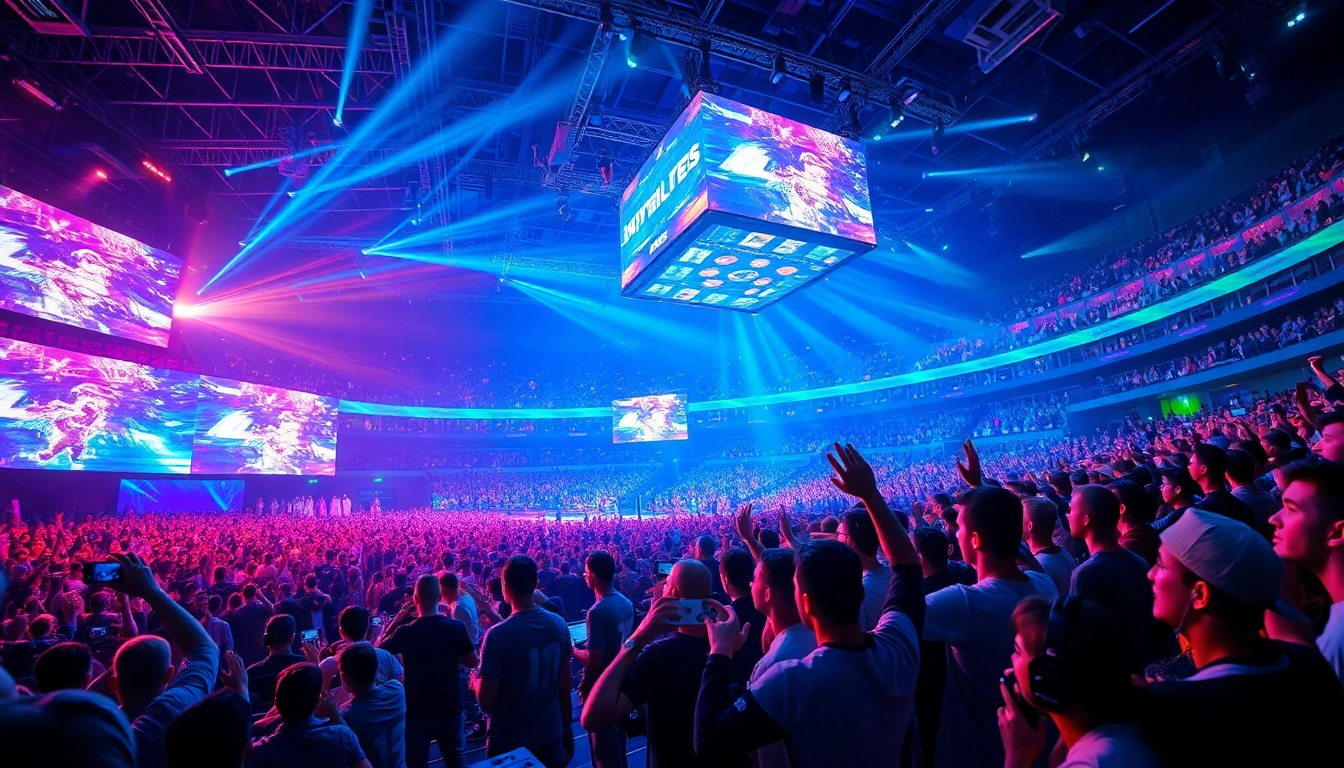
The Rise of Esports: A Cultural Phenomenon
Esports has transformed from a niche hobby into a global juggernaut that captivates millions around the world. With competitive gaming becoming a mainstream entertainment choice for audiences of all ages, it's vital to understand the origins and evolution of this phenomenon. For more insights on gaming trends, you can explore https://gamelevate.com, a leading source for video gaming news.
Understanding Esports Origins
The roots of esports can be traced back to the late 1970s and early 1980s with the advent of arcade games. Early competitions were small-scale and localized, often held in arcades or at fan conventions. However, as home computers became more accessible, online gaming began to flourish, allowing players from different regions to compete against each other.
The first official esports event is widely recognized as the "Space Invaders Championship," hosted by Atari in 1980, where thousands of players competed for a chance to win a trip to New York City. This marked the beginning of competitive gaming as an organized activity, paving the way for the esports tournaments we see today.
Key Milestones in Esports History
As technology advanced, so did the scope and scale of esports. The launch of LAN (Local Area Network) gaming in the 1990s gave birth to larger events that facilitated multiplayer gaming, including the famed Quake tournaments. The emergence of dedicated esports organizations and professional teams in the early 2000s further solidified competitive gaming’s legitimacy.
The introduction of major franchises such as "Counter-Strike," "League of Legends," and "Dota 2" helped shape the esports landscape, drawing large audiences and significant sponsorships. The advent of streaming platforms like Twitch in 2011 revolutionized how fans could engage with esports, fostering a community that thrives on live interactions and content consumption.
The Role of Social Media in Esports Growth
Social media has been a powerful catalyst in the growth of esports. Platforms like Twitter, Instagram, and Facebook have allowed teams, players, and organizers to connect directly with fans, building a sense of community and engagement. Social media has also played a crucial role in promoting events and providing real-time updates, making it easier for fans to stay informed and involved.
Content creation through platforms like YouTube has further expanded the reach of esports. Influencers and gamers alike share highlights, tutorials, and behind-the-scenes content, which not only enhance the viewing experience but also drive interest and participation in the esports ecosystem.
Current Trends in Esports
Popular Games and Their Audiences
The esports universe is diverse, encompassing a range of genres that attract varied audiences. Multiplayer Online Battle Arena (MOBA) games like "League of Legends" and battle royale games such as "Fortnite" and "PUBG" are among the most popular titles, each fostering a unique community. Players of all backgrounds are drawn to these games, creating a melting pot of cultures and skills in competitions around the globe.
In addition, games like "Valorant," which marry tactical shooter gameplay with character-based abilities, provide fresh experiences for audience engagement. The evolution of gaming genres directly correlates with the shifting interests of newer generations, which craves innovation and excitement in gameplay.
Impact of Streaming on Game Popularity
Streaming has had a transformative impact on the popularity of esports titles. Platforms like Twitch have become the go-to destination for watching live gameplay, hosting events, and fostering interactions among players and their audiences. Streamers often act as ambassadors for the games they play, influencing audience perceptions and driving game adoption.
Moreover, partnerships between game developers and streamers have helped launch new titles successfully and maintain community interest in existing games. Live streaming events, such as annual championships, capture the attention of millions, making esports more visible and available to the public than ever before.
Emerging Technologies Shaping Esports
The advancement of technology continues to shape the esports landscape, creating new possibilities for competition and engagement. Virtual and augmented reality are at the forefront, offering immersive experiences that transform gameplay and viewership. These technologies not only offer enhanced realism but also expand creative opportunities for game developers to explore novel concepts in future esports titles.
Additionally, artificial intelligence is playing a growing role in gameplay analysis and matchmaking. AI-driven platforms can enhance player skill development and create personalized experiences, ensuring that players remain engaged and challenged.
Esports Industry: Players and Stakeholders
Roles of Players in Esports Ecosystem
Players are undoubtedly the backbone of the esports ecosystem. Professional esports players dedicate countless hours to practice, hone their skills, and compete at the highest levels. The journey from casual gamer to professional athlete involves intense commitment and is often fraught with challenges including burnout, pressure, and the pursuit of constant improvement.
In addition to competing, players also hold influence as brand ambassadors and content creators, significantly impacting their respective game’s community and its growth trajectory. Their ability to connect with fans on a personal level enhances the fan experience, driving loyalty and engagement.
The Importance of Sponsors and Brands
As esports has grown exponentially, so has the interest from sponsors and brands looking to capitalize on the opportunities within this vibrant industry. Major companies invest in esports tournaments, teams, and content creators, recognizing the value of connecting with a passionate audience.
Sponsorship in esports often comes in the form of financial support, products, and services, providing vital funding that helps teams grow and sustain their operations. The visibility gained through strategic partnerships enhances brand awareness while simultaneously elevating the status of esports itself.
Event Organizers and Their Responsibilities
Event organizers play a crucial role in successfully executing esports competitions. They are responsible for numerous logistics, from venue selection and broadcasting to talent management and audience engagement strategies. Ensuring a seamless experience for players and spectators alike is imperative to the success of any esports event.
Moreover, organizers must navigate complexities such as regulatory compliance, the integrity of competition, and the well-being of players. Crafting a positive environment fosters greater involvement from fans and participants, setting the foundation for future growth in the industry.
Challenges Facing Esports Today
Regulation and Fair Play Concerns
As esports becomes more popular, issues surrounding regulation and fair play have come to the forefront. Ensuring that competitions are run fairly is essential for maintaining the integrity of the sport. Organizations are continually working to establish standardized rules and processes to combat cheating and ensure that all participants have a level playing field.
Moreover, different regions around the world have varying legal frameworks affecting esports, complicating the landscape even further. International cooperation and standardization efforts will be essential in addressing these challenges effectively.
Player Welfare and Mental Health Issues
The mental health of esports players has increasingly gained attention as a critical issue within the industry. The pressure to consistently perform at a high level, coupled with the demanding schedules of professional gaming, can take a toll on players' mental well-being. Addressing these concerns requires a concerted effort from teams, organizations, and stakeholders to promote healthy practices and ensure support systems are in place.
Implementing mental health resources and creating a culture that values wellness can not only enhance player performance but also contribute to long-term sustainability within the esports space.
Impact of Competition on Game Developers
The rise of esports has significantly influenced the approaches of game developers. The demand for well-balanced, competitive games requires developers to continuously improve and innovate. Feedback from the esports community plays a critical role in shaping updates and patches, as players often highlight specific elements affecting gameplay.
As competitive gaming evolves, developers must also adapt to trends in game monetization and audience expectations, ensuring both player satisfaction and financial viability in an ever-changing market.
The Future of Esports on https://gamelevate.com
Predictions for Upcoming Trends
The future of esports looks promising, with numerous trends poised to shape its trajectory. Increased investment from traditional sports organizations, media rights deals, and emerging markets are anticipated to contribute to the continued growth of esports as a global entertainment powerhouse. Additionally, the rise of collegiate esports programs will likely further legitimize the sport, attracting more participants and viewers.
Furthermore, cross-platform play and mobile esports are also gaining traction, allowing broader engagement across devices and appealing to diverse audiences.
Potential for Global Expansion
Esports is uniquely positioned to transcend geographical barriers, with its digital nature allowing players and audiences to connect globally. As internet access continues to expand, particularly in developing regions, new markets will emerge for esports competitions and fan engagement.
Additionally, the potential for esports events to be hosted in non-traditional venues, such as virtual spaces, opens up new opportunities for audience participation. This evolution could redefine how fandom is experienced and further globalize the esports ecosystem.
How to Engage with the Esports Community
Engagement with the esports community requires active participation and understanding the interests and needs of fans and players. Whether attending live events, joining online forums, or supporting grassroots competitions, there are numerous ways to connect.
Participating in discussions on social media, streaming platforms, and community gaming networks helps foster connections. Supporting your favorite teams and players through merchandise and social engagement can also contribute to their success and the overall growth of the esport.