


Understanding Commercial Bee Removal
What is Commercial Bee Removal?
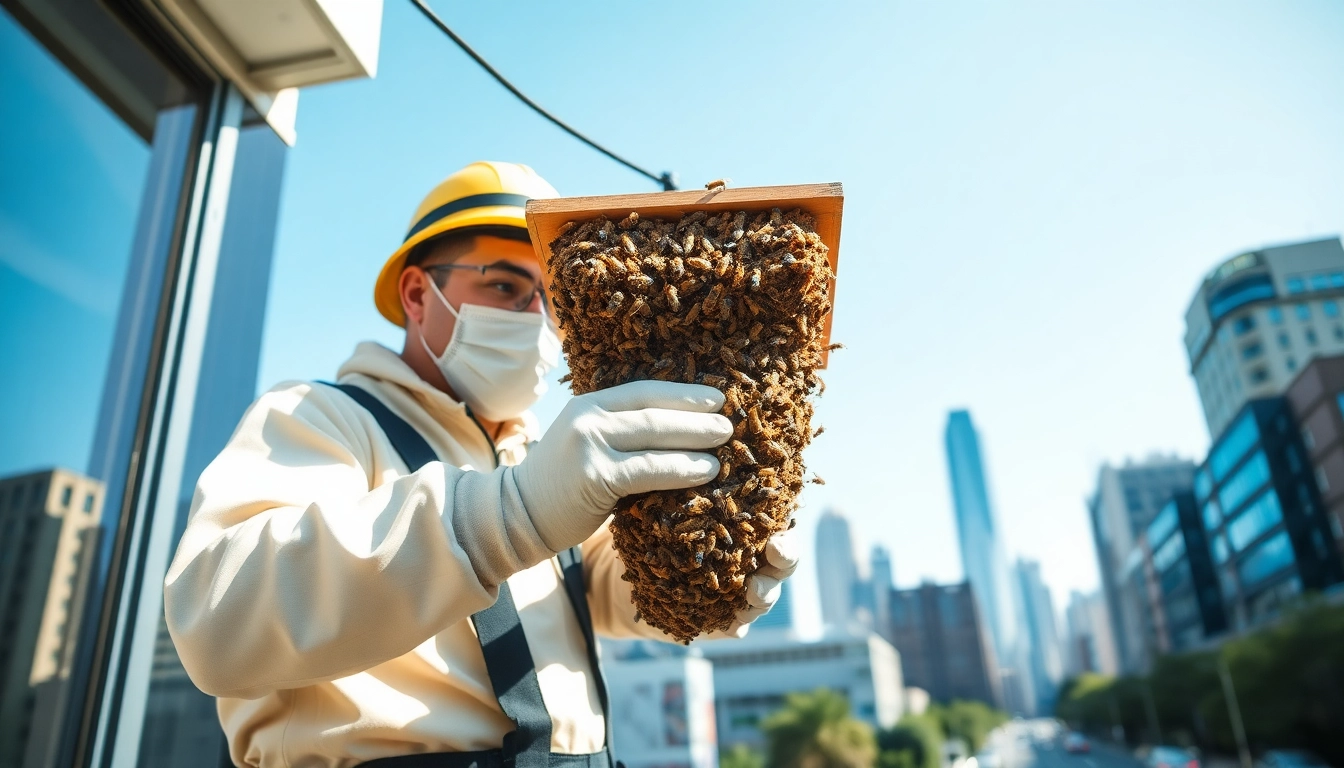
Commercial bee removal refers to the professional process of relocating or eliminating bee colonies from commercial properties, such as businesses, warehouses, agricultural sites, and retail spaces. This task is crucial not only for the safety of customers and employees but also for protecting the bees themselves. Trained professionals utilize specific techniques to ensure that the bees are removed humanely and effectively, allowing the property to regain its functionality without harming the environment.
Importance of Professional Services
Engaging professional services for commercial bee removal is important for several reasons. First, professionals possess the necessary training and expertise to identify bee species and assess the risks associated with their presence. They also understand the legal aspects surrounding bee removal, as specific laws may protect certain species, particularly honey bees. Additionally, professionals can use specialized tools and methods to effectively remove bees without causing harm, ensuring both safety and compliance with environmental standards.
Common Bee Species in Commercial Spaces
When it comes to commercial bee removal, it’s vital to recognize the types of bees that may inhabit these spaces. Common species include:
- Honey Bees: Known for their role in pollination and honey production, honey bees can form hives in wall cavities and rooftops.
- Bumble Bees: These bees are generally less aggressive but can create nests in various locations, including under shrubs or in building cavities.
- Carpenter Bees: They bore holes into wood to create their nests, which can damage structures over time.
- Wasps: Though not technically bees, wasps can also inhabit commercial areas, particularly if food sources are available.
Signs of Bee Infestation
How to Identify a Beehive
Identifying a beehive is the first step in addressing a bee infestation. Common signs include:
- Visible bee activity in and out of a specific area, often concentrated around eaves, rooflines, or wall cavities.
- Honeycomb structures or wax and pollen debris near entry points.
- Increased bee buzz, particularly during warm weather when bees are most active.
Sighting Bees in Unusual Locations
Bees can often be spotted in places where they are not typically welcome, such as inside buildings or near outdoor seating areas. Noticing bees congregating in a specific location, particularly near food sources or entry points, is a key indicator of an infestation. Quick identification can prevent potential stings and property damage.
The Risks of Ignoring Infestations
Ignoring bee infestations can lead to several hazards, such as:
- Increased risk of bee stings, which can be dangerous for allergic individuals.
- Potential structural damage due to nests forming within walls or roofs.
- Disruption of normal business operations, as a bee presence can deter customers and employees.
Methods for Commercial Bee Removal
Humane Removal Techniques
Humane bee removal techniques prioritize the safety of both people and bees. Common methods include:
- Swarm Removal: This method involves safely collecting bees that have swarmed and relocated them to a beekeeping facility.
- Bee Vacuums: Specially designed vacuums can gently remove bees from their nests without harming them.
- Controlled Exclusion: This technique prevents bees from re-entering the area while safely removing the colony.
Tools and Equipment Used
Professionals use a variety of tools to ensure safe and effective removal, including:
- Protective Gear: Beekeepers wear suits, gloves, and veils to protect themselves during the removal process.
- Bee Brushes: These brushes allow for safe handling of bees without causing harm.
- Bee Hives: Used for relocating bees after the removal, facilitating a safe place for them to thrive.
Following Local Regulations
Commercial bee removal must align with local and state regulations, which may protect certain bee species. It’s crucial for professionals to stay informed about these laws to ensure compliance and sustainable practices.
Cost Considerations for Commercial Bee Removal
Factors Influencing Removal Costs
Several factors can affect the cost of commercial bee removal. These include:
- Location of the hive and its accessibility.
- Species of bees present, as some species may require specialized removal techniques.
- Time of year, with bee removal typically costing more during peak seasons.
Average Price Ranges
The cost of commercial bee removal varies significantly based on the factors mentioned above. On average, prices can range from $200 to $1,500, depending on the complexity of the job and the location of the hive.
Free versus Paid Services
While some services may claim to offer free bee removal, often they involve trapping or exterminating the bees. Paid professional services ensure humane removal and often include follow-up visits, ensuring that the problem does not recur.
FAQs on Commercial Bee Removal
What is the cost of commercial bee removal?
The cost typically ranges from $200 to $1,500, influenced by factors such as location, bee species, and hive accessibility.
Are bees harmed during removal?
Humane removal methods are designed to minimize harm to bees. Professionals typically relocate them safely rather than exterminating them.
How quickly can I get service?
Response times can vary, but many professional services aim to provide an assessment and removal within a few days, depending on demand.
What happens after the removal?
After removal, professionals may seal off the entry points and provide recommendations for preventing future infestations, such as proper maintenance practices.
Can I prevent future infestations?
Yes, maintaining clean environments, sealing potential entry points, and removing nearby food sources greatly reduce the likelihood of infestations.