
Understanding Mould Temperature Controllers
What is a Mould Temperature Controller?
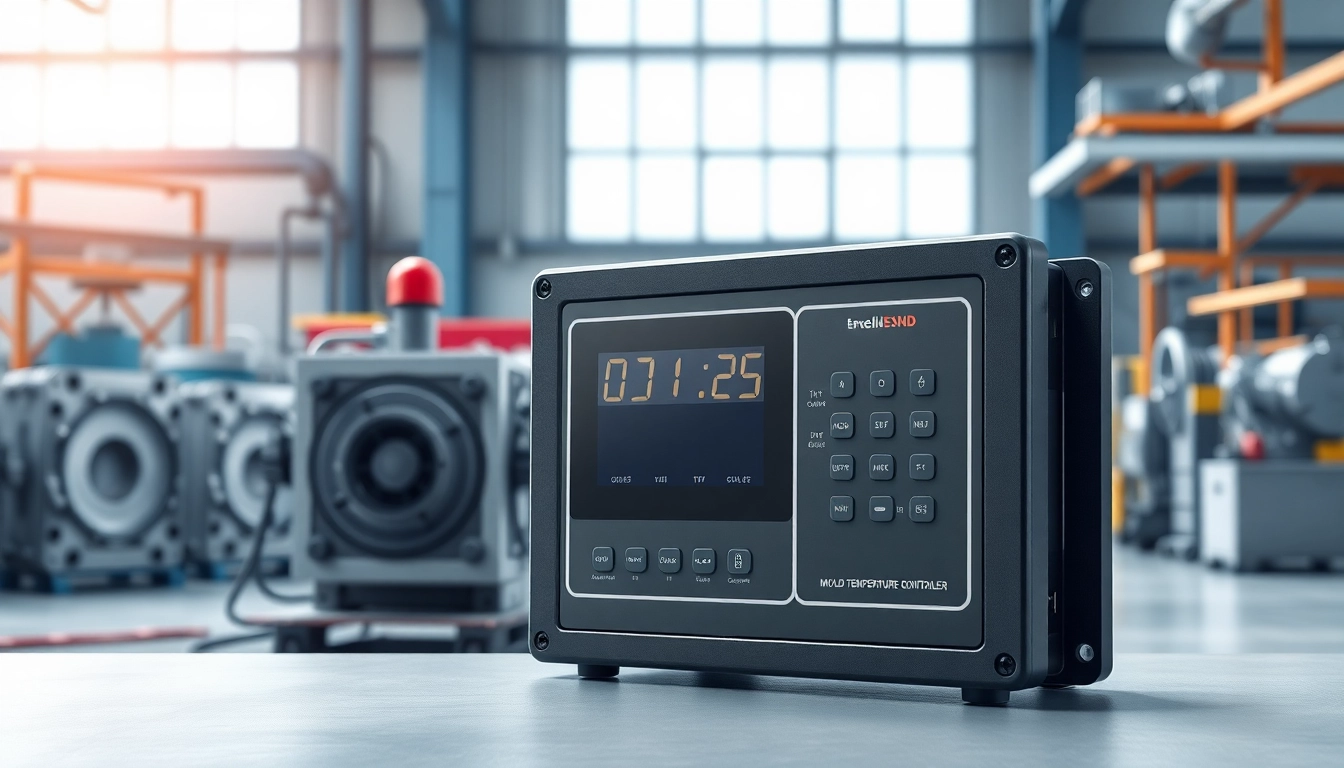
A Mould Temperature Controller (MTC) is an essential tool in the plastic molding industry. Its primary function is to maintain an optimal temperature within the mould during production processes, significantly influencing the quality of the finished product. By controlling the temperature of the mould, the MTC helps to ensure that the material polymerizes effectively and consistently, minimizing defects and enhancing final product integrity.
The advancements in technology have improved the efficiency and precision of these devices, making them critical components in modern manufacturing setups. With various options available, such as water-based or oil-based systems, these controllers cater to different operational needs and can be configured to fit a range of production environments. For detailed specifications and options, you can explore the Mould Temperature Controller on our site.
How Mould Temperature Controllers Work
The core functionality of mould temperature controllers revolves around a closed-loop system. They utilize sensors to measure the temperature of the mould and transfer this data to a control unit, which adjusts heating or cooling elements accordingly. The process typically involves heating fluids, such as water or oil, that circulate around the mould to maintain the desired temperature. A temperature set point, which is predetermined based on the material being processed and the specifications of the end product, governs this entire operation.
Moreover, some advanced models feature digital interfaces with programmable settings, enabling operators to fine-tune temperatures for different stages of the molding process. For instance, a higher temperature might be required at the start of the cycle to ensure proper flow of the molten plastic, while a cooler setting can be applied as the cycle progresses to enhance solidification.
Importance of Temperature Control in Molding Processes
Temperature control is fundamental in the injection and blow molding processes, affecting material viscosity, cycle times, and the overall finish of the product. Precise control helps to:
- Reduce Cycle Times: Proper temperature management can significantly shorten production cycles by optimizing heating and cooling times.
- Enhance Material Properties: Controlling the cooling rate can improve the mechanical properties of the molded components, ensuring they meet performance specifications.
- Minimize Defects: Accurate temperature regulation helps prevent common issues like warping, sink marks, and incomplete filling.
- Increase Production Efficiency: By aligning product quality with steam requirements, organizations can maximize output without sacrificing standards.
Types of Mould Temperature Controllers
Water-Based vs. Oil-Based Controllers
Choosing between water-based and oil-based mould temperature controllers depends largely on the specific requirements of the manufacturing process. Water-based systems are generally favored for their higher heat capacity, facilitating rapid cooling. This makes them ideal for processes that require quick temperature adjustments and rapid heat transfer. Conversely, oil-based systems are preferable for high-temperature applications owing to their higher boiling points, allowing for more stable thermal conditions.
In addition, oil-based controllers tend to have better thermal efficiency, which can translate into lower operating costs in the long run. Each system comes with its unique advantages, and the choice may hinge on factors such as the type of material being processed, required temperature ranges, and regulatory considerations pertaining to the fluids utilized.
Single Zone vs. Multi-Zone Controllers
Mould temperature controllers can also be categorized based on the zones they service. Single-zone controllers are designed to control the temperature of one specific area of the mould, making them suitable for simpler manufacturing processes. They are typically less expensive and easier to operate.
On the other hand, multi-zone controllers feature multiple independent heating or cooling zones. These are crucial in more complex molding applications, where different sections of the mould may require distinct temperature settings to achieve optimal performance. Multi-zone systems allow for fine-tuning that can enhance the moulding process, improving both quality and productivity.
Portable and Fixed Mould Temperature Solutions
Portable mould temperature controllers offer flexibility, allowing manufacturers to use them across multiple machines and moulds. This mobility is beneficial in operations where temperature control requirements may vary greatly between different production runs.
Fixed mould temperature controllers are installed permanently within a single production setup. They generally provide higher stability and efficiency, as they can be integrated directly with the moulding machine, ensuring a continuous and consistent temperature regulation cycle.
Benefits of Using a Mould Temperature Controller
Improved Product Quality Consistency
Consistency in product quality is a primary goal for any manufacturing organization, especially in industries like automotive, medical devices, and consumer goods where standards are paramount. By utilizing mould temperature controllers, manufacturers can achieve a uniform and reliable quality in their output. This consistency leads to fewer defects, a reduction in scrap rates, and ultimately, higher customer satisfaction.
Energy Efficiency and Cost Savings
The integration of energy-efficient mould temperature controllers can significantly reduce energy consumption in a manufacturing plant. By optimizing the heating and cooling cycles, businesses can lower their energy costs. Additionally, improved temperature regulation often results in a reduction in cycle times, leading to increased production capacity without the need for additional resources.
Companies that invest in energy-efficient systems often see a fast return on investment (ROI), thanks to the dual benefits of lower operating costs and increased throughput.
Enhanced Process Control and Automation
Modern mould temperature controllers often feature sophisticated automation capabilities that allow for real-time monitoring and adjustments. This automation is crucial in maintaining precision across the production process, as it reduces the need for manual interventions that can lead to errors or inconsistencies. Enhanced process control not only promotes a smoother operational flow but also allows for faster responses to deviations from optimal conditions.
Factors to Consider When Selecting a Mould Temperature Controller
Size and Capacity Requirements
When selecting a mould temperature controller, it’s essential to consider the size and capacity of the equipment. Match the controller’s capacity with the size of the mould and the production volume. Over or under-sizing can lead to inefficient temperature control and result in either energy waste or operational inefficiencies.
Temperature Range and Accuracy
The required temperature range differs based on the materials processed and the specific manufacturing needs. Some applications demand precise temperature control within very narrow tolerances, while others may allow for broader ranges. Ensure that the chosen controller can meet these requirements with an appropriate degree of accuracy.
Integration with Existing Manufacturing Systems
For optimal functionality, a mould temperature controller should easily integrate with existing manufacturing equipment and systems. Assess compatibility with moulding systems, control interfaces, and software protocols to facilitate a seamless data exchange.
Best Practices for Implementing Mould Temperature Controllers
Setting Up and Calibration Tips
Proper setup and calibration are vital for the effective operation of mould temperature controllers. Operators should follow manufacturer guidelines to configure the controller correctly. This includes setting the right temperature profile for the specific materials being processed, ensuring sensors are positioned accurately, and optimizing flow paths. Regular calibration is also recommended to maintain measurement accuracy over time.
Maintenance and Troubleshooting Common Issues
Regular maintenance of mould temperature controllers is essential for long-term reliability. This includes cleaning filters, checking for leaks, and inspecting electrical components. Operators should develop a maintenance schedule that aligns with production cycles.
Common issues such as fluctuations in temperature, inadequate heating or cooling, and software glitches can often be resolved by consulting troubleshooting guides or through consultation with the manufacturer’s tech support.
Performance Metrics to Monitor for Success
To evaluate the effectiveness of a mould temperature controller, organizations should continuously monitor key performance indicators (KPIs). This includes cycle times, energy usage, product quality metrics, and downtime due to temperature-related issues. Regularly analyzing these metrics can help identify areas for improvement and ensure that temperature controllers contribute positively to manufacturing outcomes.